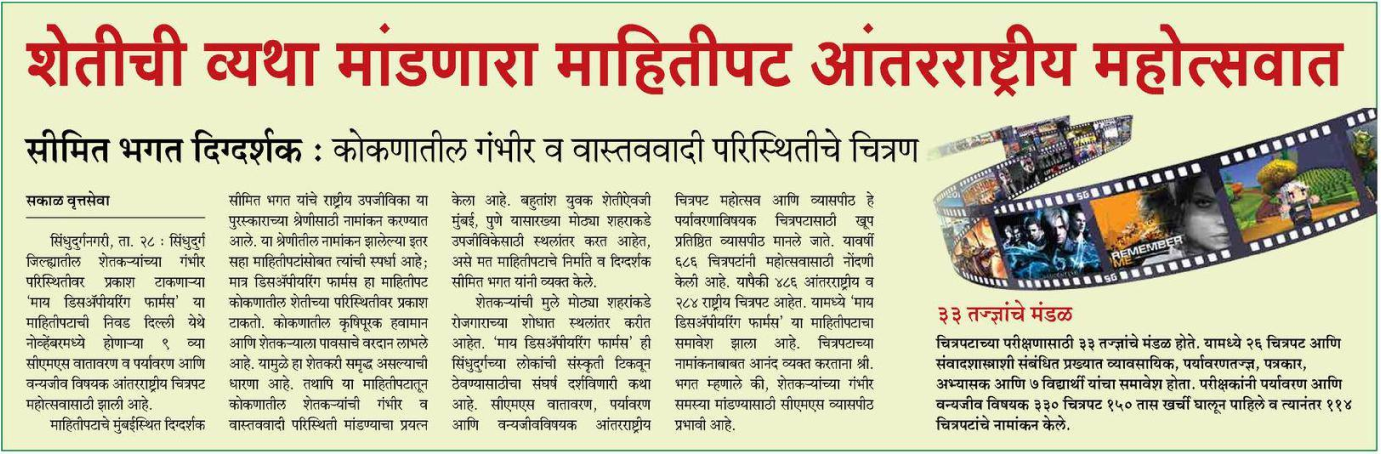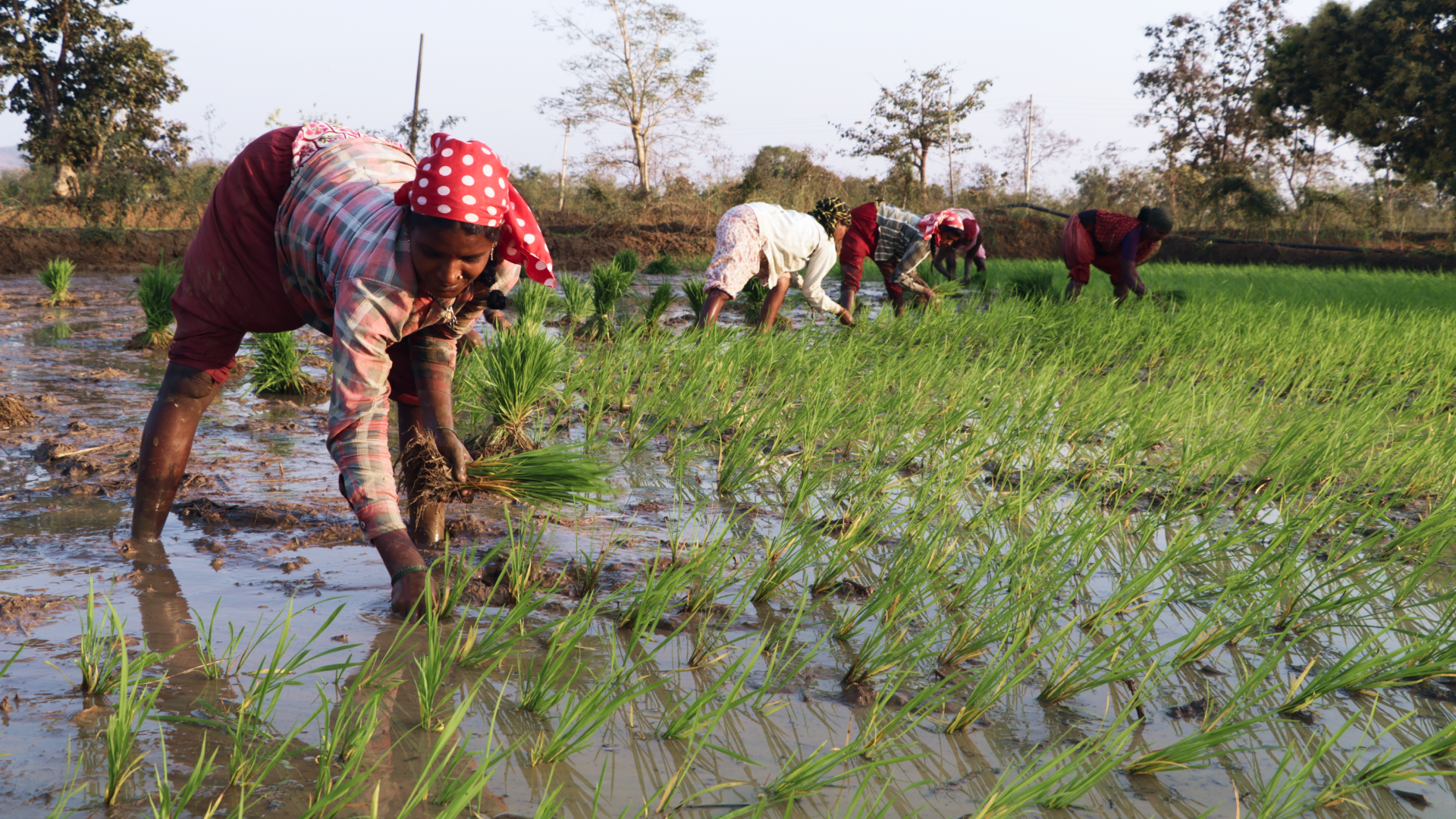
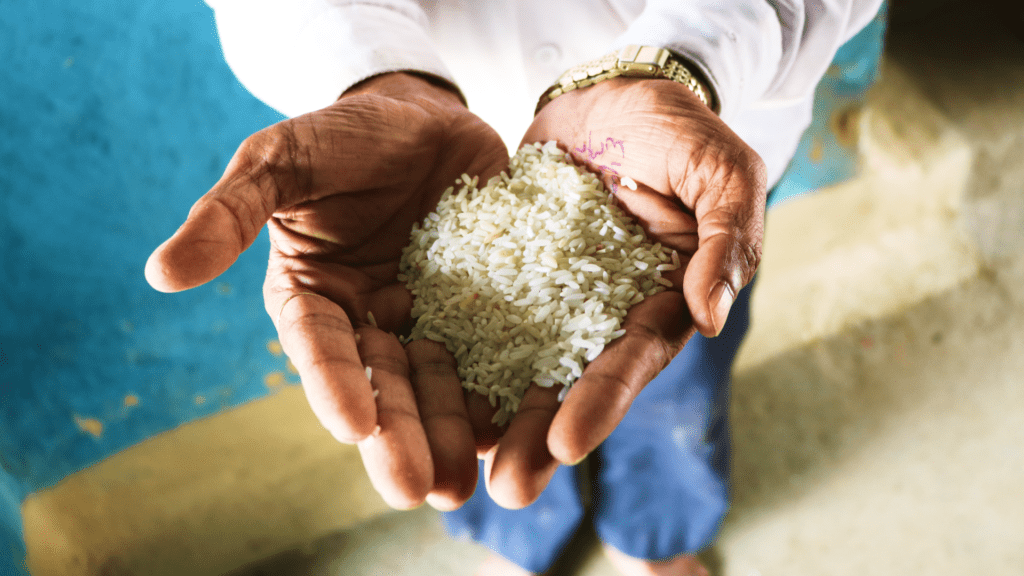
In Gadchiroli, the story of nutrition does not begin in a conference room. It begins in the fields. It begins with women sowing rice, season after season, doing work that is both ordinary and essential. And it also begins at the ration shop, where a shop owner holds up grains of fortified rice, showing what is changing, quietly, at the level of daily meals.
When the Government of Maharashtra and Tata Trusts commissioned us, the brief was clear. Create a multimedia project that helps people understand the significance and accomplishments of their anaemia eradication initiative. The focus was on awareness among the Madia community, and the role fortified rice can play in the fight against anaemia.
The assignment was not a single film, but a complete set of storytelling tools: a project impact film, awareness videos featuring influential figures, and a photo essay. And because the work involved a public health initiative, every creative choice had to protect accuracy, respect communities, and still hold viewer attention.
So here is how we approached the documentation, step by step, and why each piece mattered.
Starting With Research and Planning
Before we picked up cameras, we first spent time understanding the programme itself. This stage was about clarity. What is the initiative trying to achieve? What does “anaemia eradication” look like on the ground? Where does fortified rice enter the picture, and what are the questions or doubts people might hold?
When you are documenting a real programme, planning is not admin work. It is the foundation that allows the filming to stay respectful and focused.
This is also where we mapped out who needed to be in the story. We identified key stakeholders, and we planned field logistics so that the production could run smoothly once we were on location. When you are documenting a real programme, planning is not admin work. It is the foundation that allows the filming to stay respectful and focused.
Interviews That Hold the Full Picture
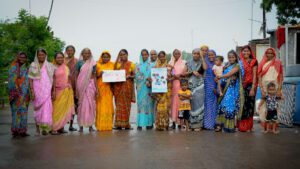
The next layer was gathering perspectives from across the ecosystem. We engaged with community members, Tata Trusts representatives, and government officials. This was important for one reason: anaemia is not only a health issue, it is also shaped by access, habits, systems, and trust.
We made sure interviews were not treated as soundbites. We used them as anchors that could carry context, nuance, and credibility.
These conversations helped us understand the challenges faced by the Madia tribe and dietary practices. They also helped ground the story in lived reality, instead of only explaining the initiative from the outside. We made sure interviews were not treated as soundbites. We used them as anchors that could carry context, nuance, and credibility.
Filming Community Engagement, Because Trust Is Part of the Story
Awareness does not happen through posters alone. It happens through repeated conversations, demonstrations, and spaces where people can ask questions without being judged for their scepticism.
So we made it a priority to really record the awareness sessions, camps and workshops. In those spaces, you can see how information about fortified rice travels, doubts are answered and trust slowly builds over time. In a nutrition programme, community mobilisation is not the side story. It is the mechanism that makes uptake possible.
Visual Storytelling That Does Not Over-Explain
Once interviews and engagement sessions were being captured, we focused on visuals that could do quiet work in the background.
We supplemented interviews with footage that communicated three things clearly: the challenges the initiative aimed to respond to, the community engagement campaigns running on the ground, and the positive outcomes emerging through the fortified rice programme. This is where photos and video become more than illustration. They become evidence, texture, and emotional context.
The choice to include a photo essay alongside films mattered here. A still image of women sowing rice, or a ration shop owner holding out fortified grain, has its own way of drawing people in. It slows things down. Viewers get a moment to look at what is happening and settle into it instead of feeling pushed along.
Editing as the Place Where Meaning Comes Together
In post-production, we simply tried to shape everything into a short film that feels easy to move through. We placed the narration, the interviews and the field shots one after another, letting the pieces speak to each other so the story stays clear and doesn’t feel heavy.
Editing decisions here were guided by one question: what does the viewer need in order to understand impact without confusion? That meant keeping a clear flow, ensuring transitions made sense, and letting stakeholders speak in a way that aligned with the initiative’s on-ground reality.
Review and Feedback, With Alignment at the Centre
Because this work was commissioned by the Government of Maharashtra and Tata Trusts, alignment with programme objectives was non-negotiable. The review process helped ensure that the final outputs stayed consistent with what the initiative set out to do and how it needed to be communicated.
Collaborative feedback is not a formality. It is what makes a documentary reliable as a tool for awareness, training, and wider circulation.
This stage is often where a film becomes truly useful for stakeholders. Collaborative feedback is not a formality. It is what makes a documentary reliable as a tool for awareness, training, and wider circulation.
What This Multimedia Set Was Designed to Do
By the end, the project became a documentation of Gadchiroli’s journey against anaemia and the role fortified rice has played within that effort. Together, the impact film, awareness videos, and photo essay captured triumphs, challenges, and the work of mobilisation that holds everything together.
More than anything, it reflected determination. The kind it takes to push a public health initiative forward, to earn trust, and to keep showing up until change becomes visible.
If your organisation is planning a large-scale programme and you want documentation that is accurate, respectful, and built for real-world advocacy, a thoughtful multimedia approach can help your work travel further, with clarity intact.
Client: Government of Maharashtra and Tata Trusts
Discipline: Film and Photography
Director and Editor: Simit Bhagat
Assistant Director and Graphic Designer: Joel Machado
Researcher and Script Writer: Sameer Bhagat
Sound Designer: Sushant Murkar
Music: Purple Planet
Voice Artist: Swarnima Ranade