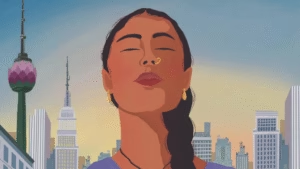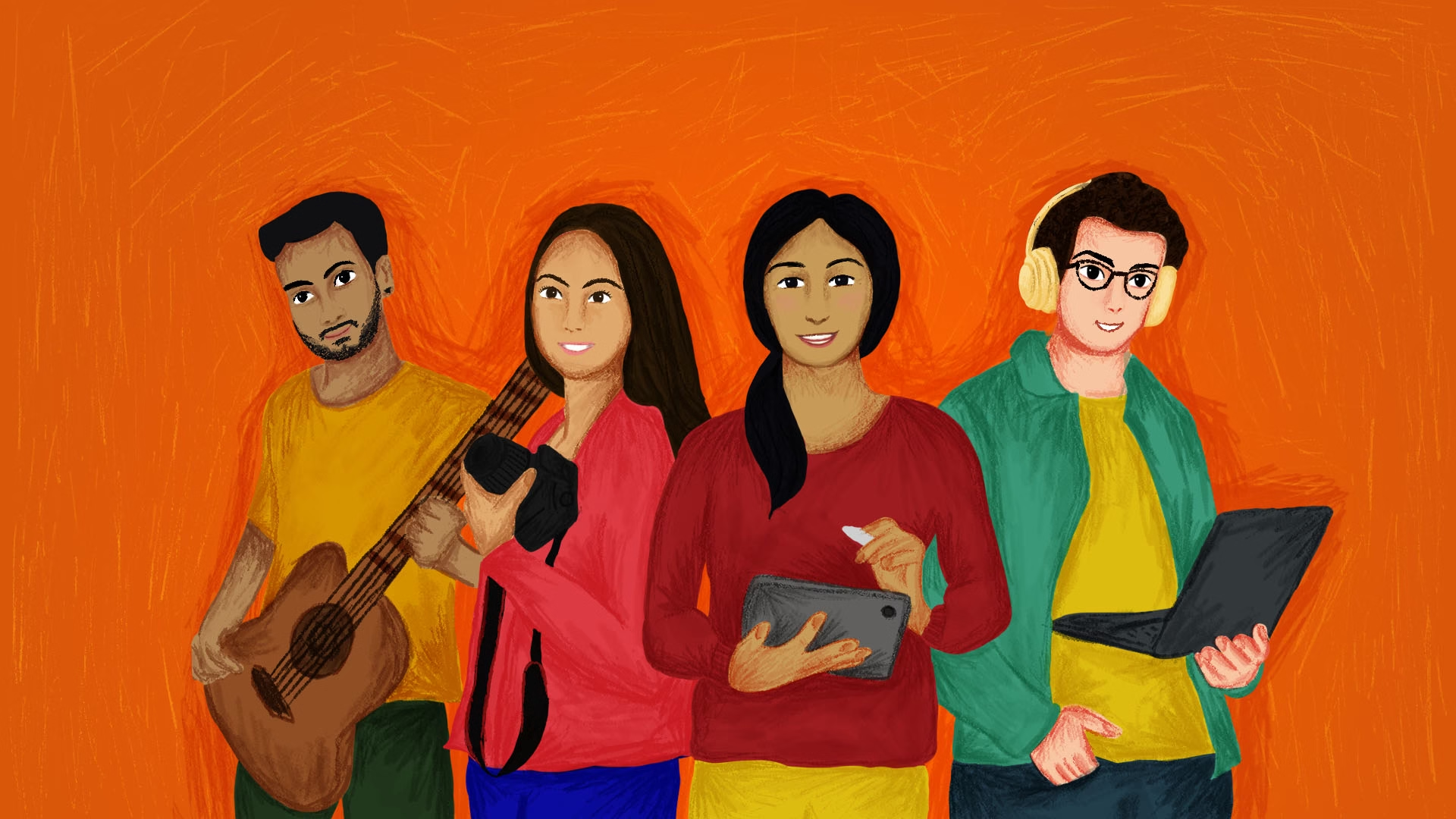
Art and activism have always shared common ground. Picture a blank wall turning into a mural that children point at on their way to school, or a song that carries across a village meeting where words once fell flat. Creativity does something numbers rarely manage. It reaches people where they feel, not just where they think. For NGOs, that opens fresh ways to connect. A designer can rethink how a service shows up in daily life. A filmmaker can hold a story that statistics cannot. A musician can turn pain into rhythm and resilience. In places where energy is low and attention is stretched, artists often bring the spark back.
The value is not just symbolic. In 2015, a Yale School of Medicine evaluation of the Porch Light Program, run by Mural Arts Philadelphia with the city’s Department of Behavioral Health and Intellectual disability Services, found that neighbourhoods with community murals saw a measurable rise in trust and collective action. It is a reminder that creative work can shift how people relate to one another, and that this shift makes room for change.
So how can NGOs work meaningfully with designers, filmmakers, and musicians who want to make a difference? Let’s take a closer look.
Collaboration Models
Creativity can join social programmes in different ways, each with its own path to engagement.
One path is community arts and participatory media. Local residents co-create murals, performances, or photographs. Artolution, working with UNICEF in Rohingya camps, has shown how collaborative art-making can spread health messages while giving displaced families a sense of agency.
Another path is service and product design. When IDEO.org worked on the Clean Team sanitation initiative in Ghana, designers shaped not only the toilets but also uniforms and payment systems. The outcome was more than working hardware. It was a service people could trust and use.
A third path builds on artist and brand platforms. The Playing For Change Foundation has invested over $15 million to bring free music education to more than 5,000 young people in 26 countries. Music’s universal pull keeps attention, invites participation, and sustains support.
Together, these models show how creativity can inform, organise, and energise social impact.
Also read: When Will We Buy Art Again?
Where to Find and Value Creatives
Finding partners often starts with looking in the right places. Taproot Foundation connects nonprofits with skilled volunteers in design, communications, and filmmaking, and offers structured routes for pro bono work. AIGA’s Design for Good initiative mobilises local designers through sprints and hackathons to solve nonprofit challenges.
Valuing the contribution is just as important. In 2024, Taproot estimated the average worth of skilled pro bono hours at $220, which recognises creative expertise as a real in-kind resource. At a global level, the United Nations Volunteers programme deployed over 14,600 volunteers in 2024, with women making up 59%. Skilled volunteering is not a side note. It is a movement that brings talent where it is needed.
When NGOs name and value creative work, it stops being a “nice extra” and becomes part of the engine that drives impact and trust.
Walking the Bridge Together
Creativity may not be the first thing you think of when you plan health, education, or livelihood work. Again and again, though, it turns out to be the catalyst. Murals can shift community trust. Music can soothe trauma and keep people engaged. Design can reimagine services so they fit how life is actually lived. From Philadelphia to Ghana to refugee camps, and across artisan networks in India, the same pattern appears. Imagination and empathy are not ornaments. They are practical tools for resilience and change.
Murals can shift community trust. Music can soothe trauma and keep people engaged. Design can reimagine services so they fit how life is actually lived.
For NGOs, the next step is not to add art as an afterthought. It is to treat it as part of the work. When collaborations are respectful, ethical, and properly valued, creativity stops being just an expression. It becomes a bridge that communities, organisations, and artists can walk together toward lasting impact.
Stay Connected
Want more thoughtful pieces on how nonprofits can tell their stories, build campaigns, and raise funds with impact? Subscribe to our newsletter. We share case studies, communication insights, and storytelling tips to help organisations shape meaningful campaigns and connect more deeply with their communities.