Shabana was sitting in front of us, her hands folded neatly in her lap, eyes fixed on the floor. The room was hushed, holding its breath as she spoke of the horrors she had survived. Her husband’s violence, the nights she spent in fear, the days she wanted to end her life. We were there making an audio story for SNEHA, a Mumbai-based NGO. But in that moment, it wasn’t about filming—it was about listening.
Shabana’s voice stayed with us. It reminded us that mental health isn’t just about medicine—it’s about feeling seen and heard. So we created an audio story, blending her own words with delicate visuals, to tell her story with care and dignity.
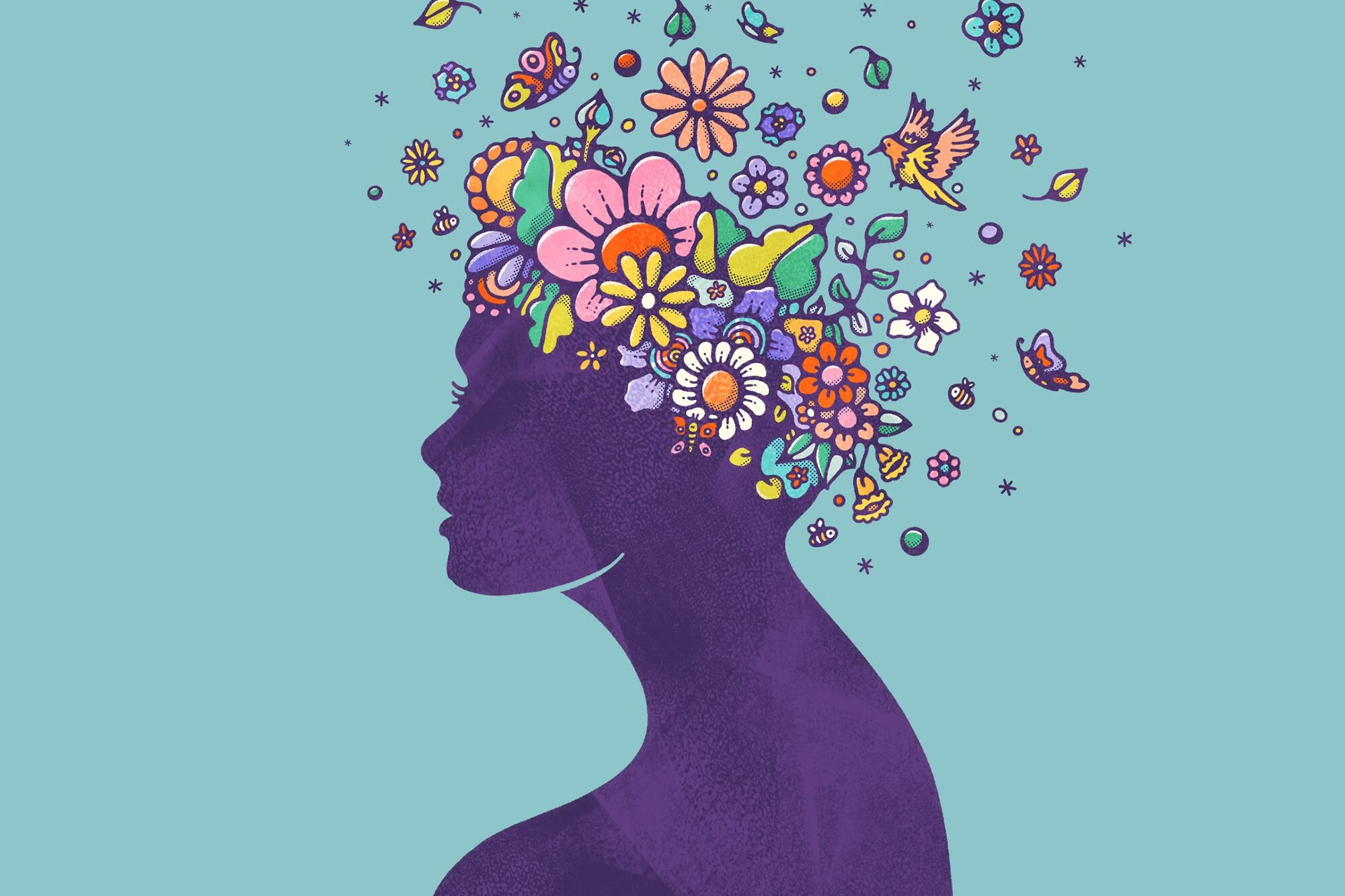
Mental health isn’t just about medicine—it’s about feeling seen and heard.
And as we worked, we realised something bigger. Around the world, NGOs are turning to digital safe spaces and narrative pathways—gentle, powerful ways to bring hope and healing to those who feel invisible. So, how can other organisations do the same? How can they turn stories into safe spaces and voices into pathways for healing?
1. Bring Mental Health Support to Where People Already Are
Mental health help should never feel out of reach—especially for people in remote or underserved areas. That’s why it’s so important to meet people where they already feel comfortable, using tools they already know.
StrongMinds, a nonprofit working across sub-Saharan Africa, has shown just how powerful this can be. When the pandemic forced people indoors, they took their depression support groups online—right into people’s hands. They launched AMANI, a chatbot on WhatsApp, and adapted their group therapy model to WhatsApp-based teletherapy sessions.
AMANI offers guided conversations, information about depression, and simple screening tools. It’s discreet, familiar, and can be used from anywhere. So far, over 5,000 people have chatted with AMANI, with around 10% of them joining teletherapy groups to get deeper help. And it’s not just numbers—it’s also reach.
From 7 to 42 districts in Uganda, 1 to 27 in Zambia, StrongMinds has shown that meeting people where they are can make mental health care truly accessible. Their multimedia campaigns have even reached 16 million people, sparking conversations about mental health that might never have happened otherwise.
2. Create Safe, Anonymous Spaces for Sharing
Sometimes, people just need to talk. Not to a doctor or a therapist—just to someone who will listen, without judgment or expectation. When NGOs offer safe, anonymous spaces for sharing, they give people a chance to breathe and start healing in their own time.
That’s exactly what 7 Cups has done on a global scale. Since 2013, they’ve created a digital sanctuary that feels almost like a living room—somewhere to settle in, speak freely, and feel supported. They have a network of over 300,000 trained volunteer listeners—people who know how to truly hear you. These listeners complete active listening training and even earn “compassion hearts” as they grow into their roles.
7 Cups have created a digital sanctuary that feels almost like a living room—somewhere to settle in, speak freely, and feel supported.
The reach is staggering. 7 Cups now supports more than 53 million people across 189 countries. It’s available in multiple languages, including English and Spanish, so no one feels left out. And beyond one-on-one chats, there are mindfulness exercises, growth paths, and self-help resources to guide people along their journey.
Research has even shown that 7 Cups can be a real lifeline, especially in those quiet hours when professional help isn’t available. For people feeling alone in the night, it’s a place to be heard.
3. Make Healing Interactive and Fun for Young Minds
Mental health support doesn’t always have to be serious and clinical—sometimes it’s about turning help into a game. When young people feel like they’re playing, they’re more open to sharing, learning, and growing.
Sangath, an Indian NGO, has taken this idea and turned it into something remarkable with their app, POD Adventures. It’s built for teens aged 12–17, weaving problem-solving therapy into an animated, choose-your-own-adventure game. The app’s core steps—Problem Identification, Option Generation, and Do It Plan—feel like part of the game itself.
It’s more than just a fun experience. In pilot studies, 93% of the 248 students who tried it completed all four sessions, and nearly all said it helped them tackle their problems. The app has been rolled out in over 30 schools across New Delhi and Goa, reaching thousands of students—and even adapted for remote learning during the pandemic.
By blending evidence-based therapy with engaging stories, Sangath has shown how interactive digital tools can break through the silence around mental health and make support feel like an adventure.
4. Use Gentle Reminders to Break the Silence
Healing doesn’t always come in grand gestures. Sometimes, it’s the small, steady nudges that remind people they matter and that help is there, even in the quietest moments.
That’s what Cope Notes has been doing since 2018. Founded by Johnny Crowder, who knows first-hand what it’s like to feel alone, Cope Notes sends daily text messages—simple, encouraging reminders—to anyone who signs up. These aren’t just random quotes. Each message is carefully reviewed by mental health professionals, built on principles from cognitive behavioural therapy and positive psychology.
Sometimes, it’s the small, steady nudges that remind people they matter and that help is there, even in the quietest moments.
And it’s working. As of May 2025, Cope Notes has reached over 40,000 people in 97 countries, sending more than 4 million messages. In schools across Florida, students and staff are getting these gentle check-ins every day—98% said it made them feel more supported.
Cope Notes shows how even a single text can help someone pause, breathe, and remember they’re not alone. It’s proof that healing can be as simple as a message of hope, arriving just when you need it most.
5. Build Immersive Worlds for Healing
Sometimes healing begins not in a clinic, but in an entirely new world. That’s exactly what Innerworld offers—a virtual reality platform co-founded by clinical psychologist Noah Robinson and singer-songwriter Jewel. Here, people join peer-led support groups from anywhere, using avatars in immersive settings like campfires, beaches, or serene forests.
At its heart is Cognitive Behavioral Immersion™ (CBI), a unique, interactive approach that transforms CBT into a dynamic experience. Innerworld hosts over 100 weekly sessions on topics such as grief and anxiety, all led by trained guides. Since its launch in 2022, Innerworld has supported over 100,000 people, helping them find community and healing.
Notably, Innerworld has received a $2 million grant from the National Institute of Mental Health to further research on the efficacy of its CBI tools in reducing symptoms of depression and anxiety.
Stories That Heal, Voices That Carry
These stories—from Shabana’s whispered truths to the immersive conversations in Innerworld—show us one thing: healing is about feeling seen. It’s about safe spaces where pain can turn into something shared, and silence becomes a conversation.
NGOs around the world are already leading the way, turning digital platforms into lifelines and stories into pathways of hope. It’s a reminder that even the smallest steps—a message, a game, a chat—can make a world of difference.
If you’d like to keep hearing about these quiet, powerful movements in mental health storytelling, we’d love to stay in touch. Subscribe to our newsletter and join us as we share stories, lessons, and ideas that are reshaping how we heal, together.