The wind dragged dust across a broken doorstep. A girl sat there, twisting her dupatta, trying not to cry. She was seventeen. Her wedding was set for tomorrow. The guests were already on their way.
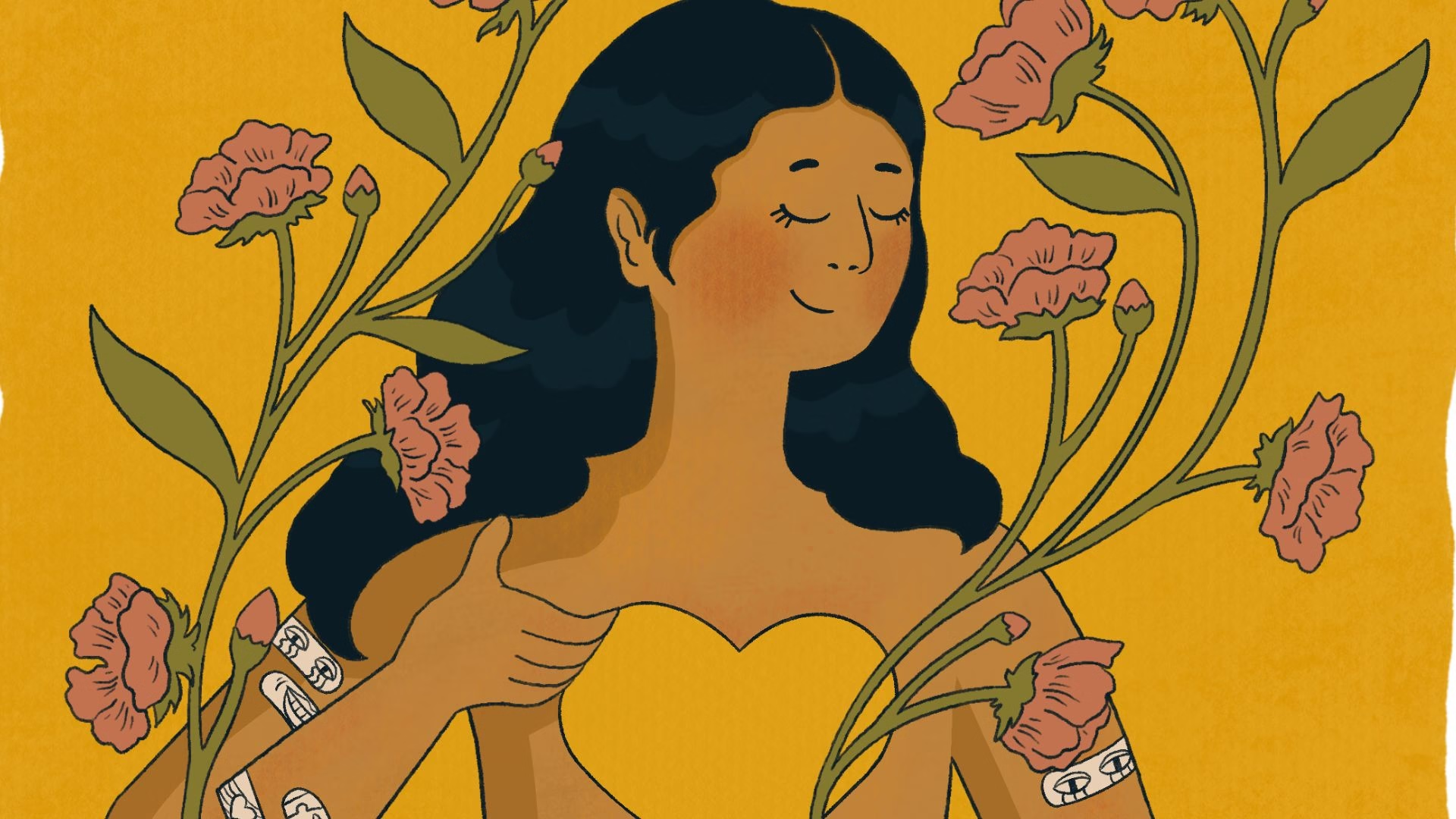
Nobody had asked her. She’d just finished school. She wasn’t loud. Her opinions didn’t matter, not to them. In her village, silence was safety. Speaking out meant shame. She had never seen a girl refuse her wedding. But she remembered something. A book. Drawings of women who looked like her but had chosen differently, spoken differently.
One had become a solar engineer. One joined a local water committee. One taught school after leaving her husband. That story had stayed with her. It felt like a possibility and gave her courage. That night, she left. She ran to her cousin’s home. The wedding didn’t happen. Her life changed forever. Today, she works with a women’s collective. She tells everyone the same thing: it was that storybook that saved her.
Because when she had no words, it spoke for her. So what made the difference? Not a law. Not a statistic. A story.
Let’s see how organisations across the world are using storytelling to shift power and spark real change for women.
1. Turning Real-Life Transformation into Global Storytelling
At Barefoot College, women who had never held a pencil learned to build solar panels with their bare hands. They came barefoot. They left as solar engineers. What moved the world, though, wasn’t just the training. It was how these journeys were told: truthfully and tenderly.
What moved the world, though, wasn’t just the training. It was how these journeys were told: truthfully and tenderly.
Take Rafea, a Bedouin mother of four from Jordan. Her story features in the documentary Solar Mamas ⎜WHY POVERTY?
The film, viewed over 292,000 times, follows her to India, through her fears and strength, as she learns to begin again. She returns home not just with tools, but with dignity and brings electricity to her community, lighting homes and minds. Outlets like BBC and The Guardian covered her story. Because it challenged old ideas about intelligence and womanhood.
Told without glamour, just grace, Barefoot College reminds us what real leadership looks like—across borders, beyond literacy, and through light.
2. Using Multi-Platform Storytelling to Influence Behaviour and Break Taboos
In Ethiopia, Girl Effect launched Yegna, a drama series that aired nationwide, reaching teenage girls in villages and cities alike. The show didn’t shy away from tough topics such as health, early marriage, cervical cancer, education, and emotional well-being.
Girls who watched reported a stronger understanding of Human Papillomavirus (HPV) and felt more confident in managing their own health choices.
But it didn’t stop there. Girl Effect also created Springster, a mobile platform where girls anonymously read and shared stories. It became a safe digital space for connection, where resilience was celebrated and taboo wasn’t a reason for silence. Springster’s storytelling was so impactful, it became a finalist at the Shorty Social Good Awards.
Springster became a safe digital space for connection, where resilience was celebrated and taboo wasn’t a reason for silence.
Then came Big Sis, an AI-powered chatbot, available on WhatsApp and Messenger, offering confidential support on relationships, periods, and safety.
Together, these platforms created an ecosystem where storytelling wasn’t one-way. It was a lifeline, accessible and human.
3. Using Illustrated Storytelling to Bridge Research and Real Life
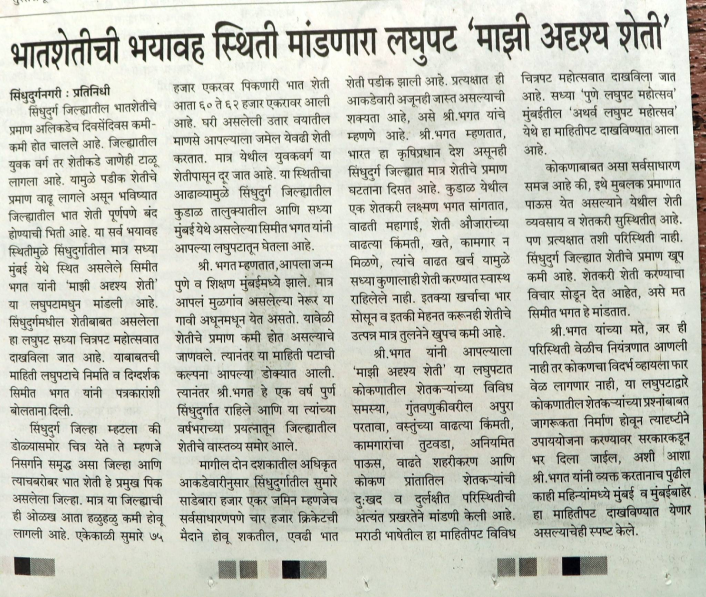
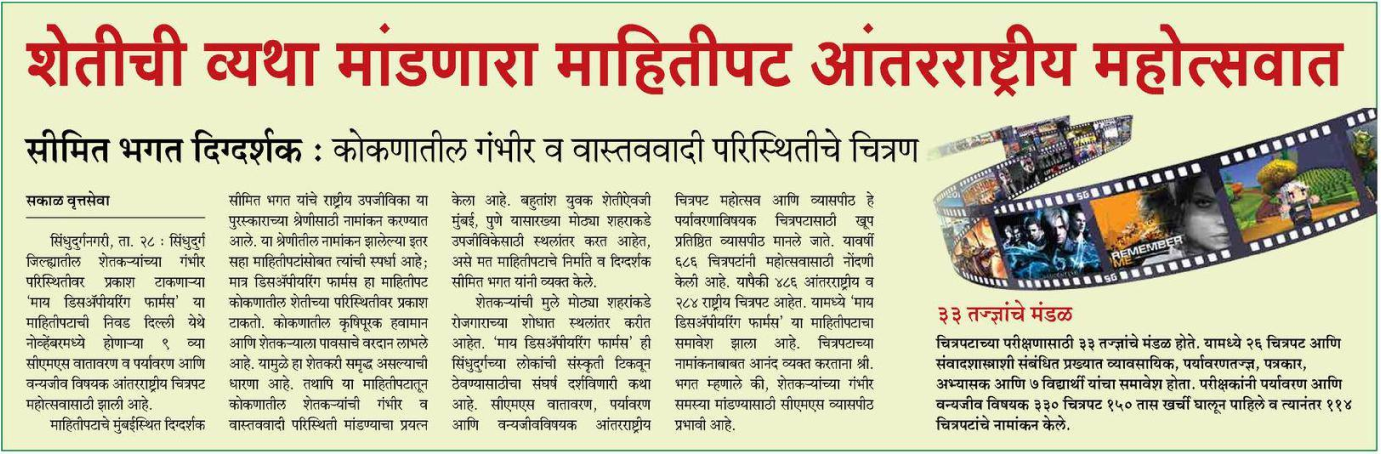
When the International Rice Research Institute (IRRI) looked at water governance in Bangladesh, the numbers were clear—women were missing. Despite quotas, participation was low. Reports were full of findings, but policymakers weren’t reading them.
So IRRI did something different. They teamed up with Simit Bhagat Studios to turn that data into an illustrated storybook. The book showed Bengali women facing cultural rules, unpaid labour, and invisible boundaries, but also navigating their way into leadership. Characters were drawn with care, reflecting real communities, traditions, and tensions. It felt local. It felt alive.
Characters were drawn with care, reflecting real communities, traditions, and tensions. It felt local. It felt alive.
The storybook was produced in English and Bengali, making it accessible to both government officials and grassroots readers. Mou Rani Sarker, Assistant Scientist at IRRI, said it best: “Decision-makers actually read it. They found it engaging.” That’s the power of illustrations. They didn’t oversimplify. They made the problem human and harder to ignore.
4. Telling Bold, Feminist Stories Across Art, Film, and Social Media
The Global Fund for Women knows storytelling doesn’t belong only in reports. It belongs on walls, in voices, and in our feeds.
Their documentary series Fundamental features activists from refugee camps, conflict zones, and under-resourced villages leading feminist resistance. These are women living on the frontlines of injustice, still choosing to fight back.
Through their Artist Changemaker Program, the Fund commissions visual artists to create public works that challenge gender norms boldly. Their online storytelling is just as impactful. A viral Instagram reel with 159K views shared a staggering truth: “Only 1.9% of all charitable donations go to women and girls. Black feminist movements get less than 0.5%.”
“Only 1.9% of all charitable donations go to women and girls. Black feminist movements get less than 0.5%.”
The reel, co-created with @feminist and filmed by @djkrystallake, called viewers to join the 1.9 Rising campaign. With 188K followers, their reach turns emotion into momentum. Their stories don’t just raise awareness, they drive change.
5. Blending Film, Social Media, and Research to Spotlight Women’s Realities
In Bihar, Bhoomika Vihar tells stories that the world often refuses to hear of girls trafficked, married, and erased.
Their film One Night Bride, watched over 1.5 million times, shows how girls are sold under the name of marriage. Other films like I Exist, Swaha, and Jhatka are steeped in survivor voices, each one a quiet revolution on screen.
But Bhoomika doesn’t stop at film. Their Instagram is active, raw, and powerful full of field notes, survivor quotes, and everyday courage. They post regularly, not for branding, but to keep these stories alive, urgent, and in the public eye.
One Night Bride shows how girls are sold under the name of marriage.
Their publications, Bojh the Burden and SWAHA, bring together hard data with real testimonies from the ground. It’s a strategy of balance: numbers for policy, stories for people. And both together for lasting impact. Their storytelling doesn’t just amplify voices. It hands the mic back to those who never had one.
Storytelling Isn’t a Soft Skill, It’s a System Shift
These stories aren’t warm-up acts. They are the core and they break the silence, the systems, and the stereotypes.
They reach where strategy slides off and they move people not just to tears, but to action. Because when you centre women’s stories, you don’t just inform. You begin to shift the world they’re forced to survive in.
Organisations that invest in storytelling aren’t just building campaigns. They’re building connection, truth, and visibility where none existed.
If this moved you, stay in the story. Subscribe to our newsletter for more on how stories shape justice, change mindsets, and build power from the ground up. We’ll send you real-world examples, behind-the-scenes insights, and tools to help you tell stories that resonate and rebuild.