Medical science has leapt further in one century than in all the centuries before it. In ancient Rome, forty felt like old age; today, a hundred is not unusual. Yet a huge share of the world still lives beyond the reach of basic care. For many families, treatment is too costly, clinics are too far, or services do not exist where they live.
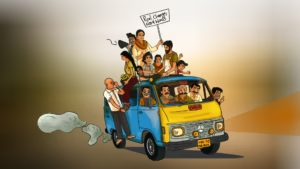
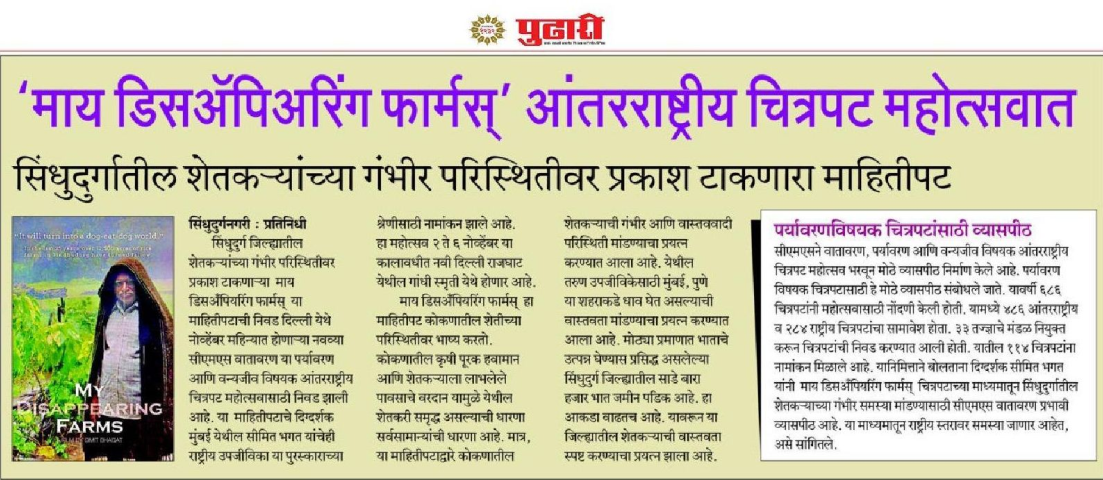
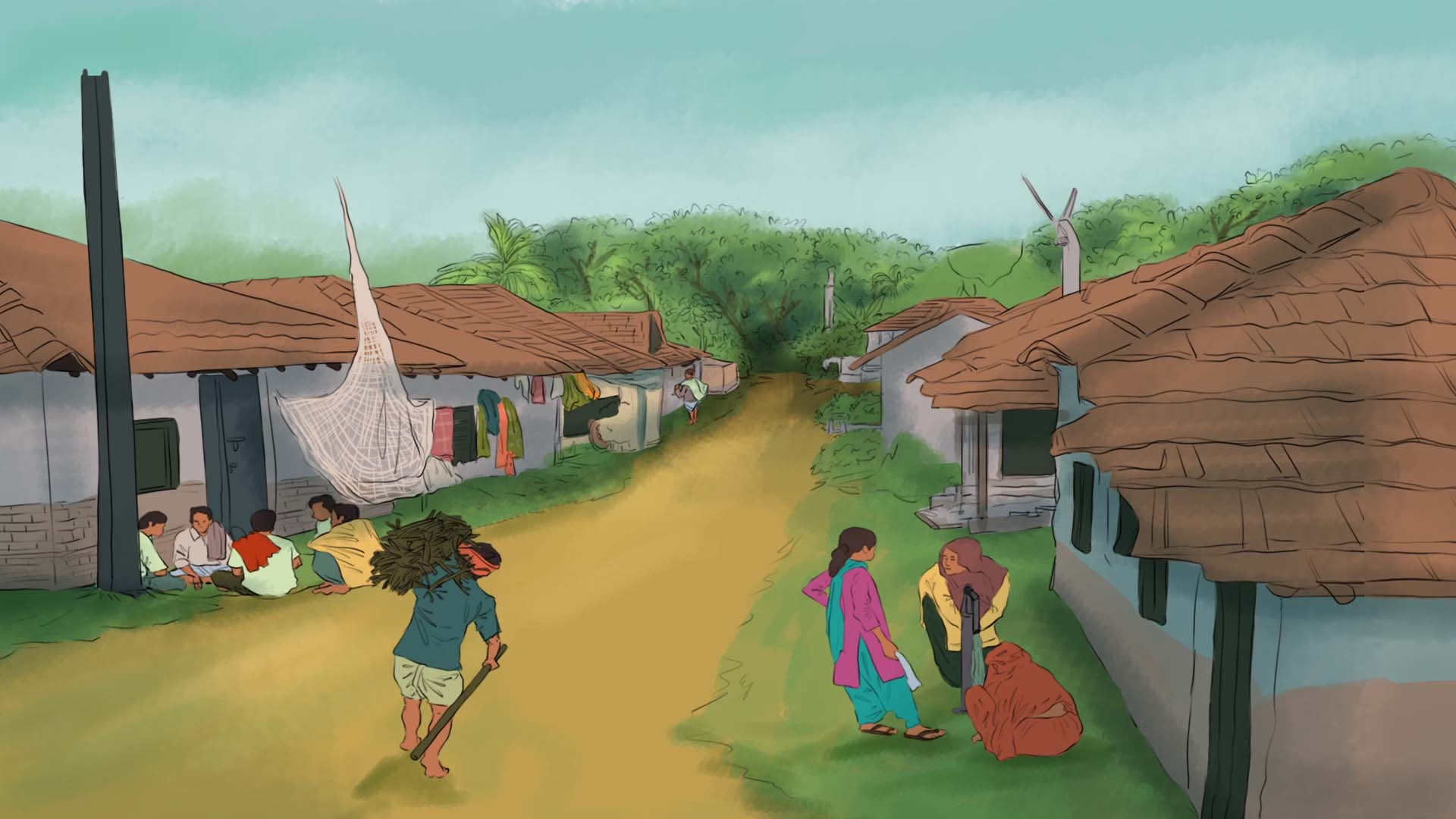
This is where nonprofits step in, closing the distance with trust, and turning hard data into human understanding through story. Because numbers alone rarely change minds, many organisations now pair evidence with lived voices to rally support and make neglected needs visible. We tried this ourselves with Anaemia: An Invisible Crisis in India, an illustrated story that showed how a quiet illness can quietly steal futures.
So, let’s take a closer look at five organisations doing exactly that:
1. Arogya Sakhi, ARMMAN (India)
In the hills of Palghar, where hospitals are distant and transport is scarce, ARMMAN’s Arogya Sakhi programme is reshaping everyday care for women and children. Local women, trained as community health leaders, carry medical kits and mobile apps to the doorstep. According to Armman’s official data, their work has contributed to a 38% rise in expectant mothers taking iron and folic acid tablets, a 20% increase in infants receiving ORS, and 99.4% satisfaction among mothers.
ARMMAN has reached 46.4 million women and children while training more than 380,000 health workers.
ARMMAN raised over ₹338 million in 2023 and has reached 46.4 million women and children while training more than 380,000 health workers. Films such as Arogya Sakhi: A Lifeline for Mothers and Children and clear, number-first annual reports help turn empathy into trust and support.
2. Partners In Health (PIH) (United States)
Across some of the world’s toughest terrains, Partners In Health treats healthcare as a right and then proves it in practice. Founded in 1987, the organisation supports care and health systems in 11 countries, from Haiti to Sierra Leone. In 2023, PIH facilities recorded more than 3.1 million outpatient visits and 847,000 home visits, powered by over 11,000 community health workers. That year, revenue was about 238 million dollars, with nearly 96% from private contributions.
In 2023, PIH facilities recorded more than 3.1 million outpatient visits and 847,000 home visits, powered by over 11,000 community health workers.
PIH’s patient voices, staff diaries, and multimedia reports wrap numbers in lived experience. Series such as “Not Just One Person’s Quest” and stories such as “Sister Patricia’s story” help donors see why the metrics matter.
3. Médecins Sans Frontières / Doctors Without Borders (France/International)
Since 1971, Médecins Sans Frontières has paired medical action with the courage to speak plainly about what it sees. Working in more than 70 countries, its 67,000 staff deliver care in conflicts and crises. In 2024, MSF recorded 16.5 million outpatient consultations, assisted 368,000 births, and performed 134,000 surgeries. Annual income reached 2.36 billion euros, with 98% from private donors, which protects independence.
In 2024, MSF recorded 16.5 million outpatient consultations, assisted 368,000 births, and performed 134,000 surgeries.
MSF tells stories that travel. Photo essays, short films, and public exhibitions such as Forced From Home and Starved for Attention lift crises that might otherwise be ignored. The yearly “Year in Pictures” distils this approach with stark clarity.
4. mothers2mothers (South Africa, multi-country)
Across sub-Saharan Africa, mothers2mothers turns lived experience into public health leadership. Founded in 2001, the organisation trains women living with HIV as Mentor Mothers who deliver family-centred services in multiple countries. It has helped more than 16 million people and created more than 10,000 jobs since it started. In 2023, mothers2mothers reported zero mother-to-child transmission among enrolled clients and 97% retention in care.
mothers2mothers has helped more than 16 million people and created more than 10,000 jobs since it started.
Portraits, short films, and flagship moments such as The Mothers’ Ball celebrate strength with care. Clear reporting underpins donor confidence, helping raise more than 25 million dollars in 2023, with 83% spent on programmes. These voices change how people think, and they change what systems do.
5. Projeto Saúde & Alegria (Brazil)
Along the Tapajós and Arapiuns rivers, Projeto Saúde & Alegria brings care by boat and by story. The hospital vessel Abaré I serves about 15,000 residents across 72 communities and resolves 93% of cases on board. A second vessel and mobile teams now reach thousands more. In 2019, PSA reported revenues of 13.3 million reais and continues to grow through audits, partnerships, and steady visibility.
In 2019, PSA reported revenues of 13.3 million reais and continues to grow through audits, partnerships, and steady visibility.
PSA’s Rede Mocoronga trains more than 400 young reporters to create radio shows, murals, and podcasts on sanitation and maternal care. Their messages move faster than roads ever could, reaching homes scattered along the forest.
When Stories Become the Strongest Medicine
Across continents, progress in health is not only about new tools. It is about trust. From Arogya Sakhis in India to Mentor Mothers in Africa, these programmes show how empathy reaches places that infrastructure cannot. Storytelling gives numbers a heartbeat and turns distant statistics into a shared responsibility. As these organisations bridge the world’s health divide, their narratives do more than inform.
They help people connect, they strengthen support, and they keep the idea alive that every life deserves care.
If you want practical pieces on nonprofit storytelling, campaign building, and fundraising with heart, subscribe to our newsletter. We share case studies, communication tips, and simple tools that help teams tell their stories clearly and build deeper connections with the communities they serve.