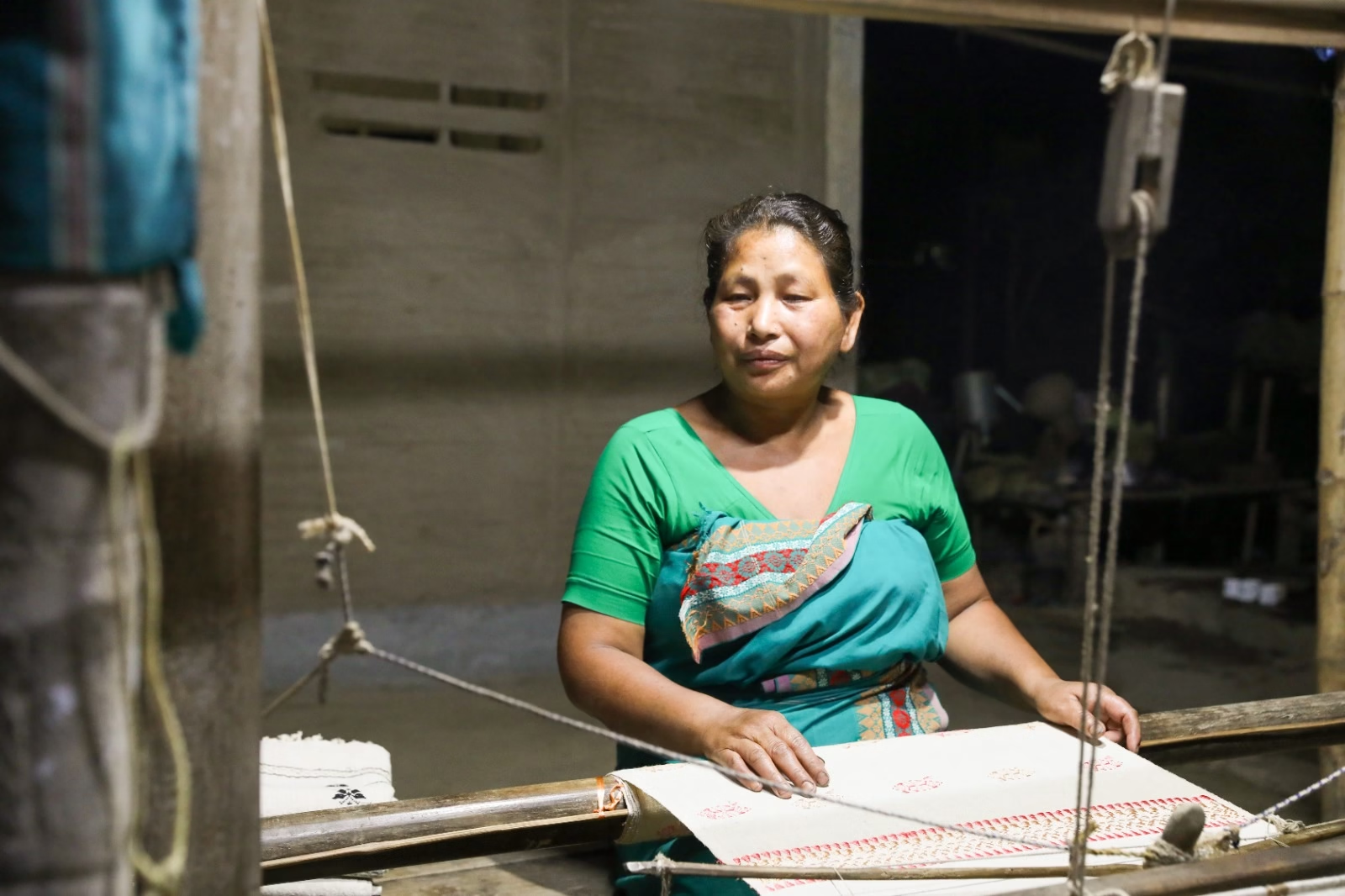
Earlier this year, we found ourselves in Bodoland. The skies were heavy, the air still, but the ground told a different story. We were there to make an organisational film for the Bodoland Development Foundation (BDF), an organisation working to reintegrate former combatants into society through sustainable livelihoods.
We met men who once carried rifles, now tending to their land. Women who, after years of silence, were stitching back their futures, thread by thread. BDF wanted to showcase this transformation. They wanted people to see what hope looked like. But making the film wasn’t as straightforward as setting up a camera.
Some people hesitated to speak. Others didn’t want to be seen. In remote areas, power cuts, rain, or missing equipment can delay shoots. And in the quiet between takes, we realised something, these weren’t just challenges. They were lessons.
Over the years, working with nonprofits across India, we’ve learned that organisational films aren’t just about visuals or facts. They’re about listening deeply, preparing carefully, staying flexible, and thinking creatively about how stories are told, shared, and scaled.
So if you’re a non-profit planning to produce an organisational film, not just to inform, but to connect, here are five tips to help you get it right.
1. Begin with Story, Not Stats
Many non-profits start their films with data, but what stays with people are the faces behind those numbers.
When we filmed with Sanjog, a grassroots organisation in Assam supporting rural livelihoods and climate-resilient farming, we chose to begin with the land and its people. The region has endured years of conflict and floods that disrupted the livelihoods of tens of thousands of residents.
Through real voices, we heard how families were adapting: a woman who began mushroom cultivation with a single cylinder and now manages 90 of them, farmers earning ₹15,000–₹16,000 a season through Bhut Jolokia cultivation, and a banking correspondent whose solar-powered photocopy centre doubled her income to ₹3,500 a month.
By the time Sanjog’s broader livelihood model appears, the audience already knows why it matters. The film connects because it begins with people: their stories of resilience, resourcefulness, and hope in the face of change.
2. Prepare People, Not Just Equipment
When filming with non-profits, one recurring challenge is that the people chosen to speak, beneficiaries, team members, often feel confident beforehand. But once the camera rolls, many freeze. This isn’t shyness, it’s unfamiliarity.
Over time, we’ve learned that the best way to help is by practising. Ask participants to speak into a mobile camera a few times before the shoot day. It eases them into the rhythm of talking to a lens and builds confidence without pressure.
Ask participants to speak into a mobile camera a few times before the shoot day.
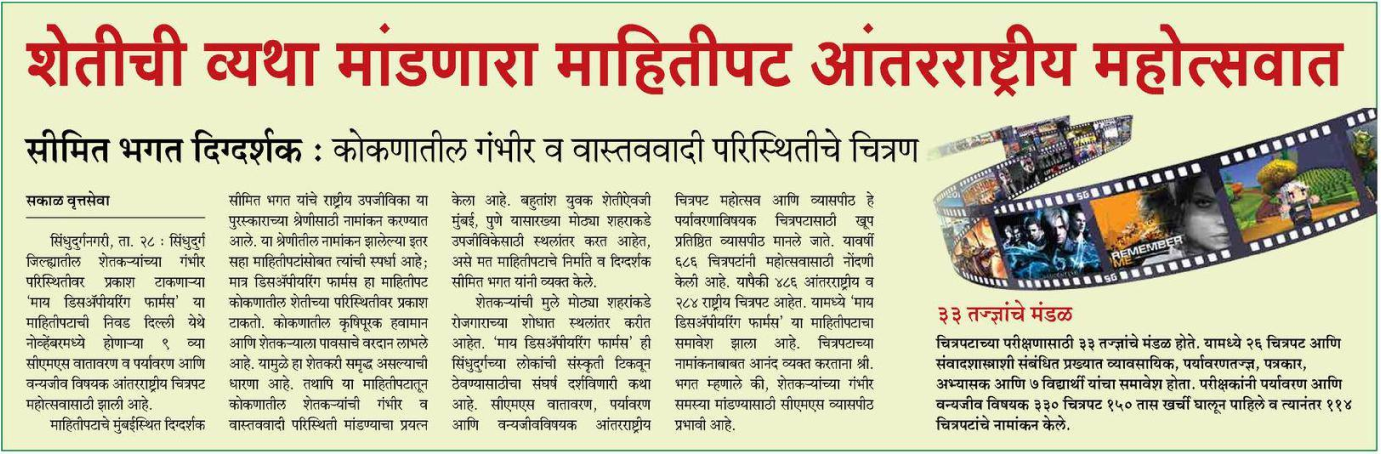
While filming Saving Lives, One Child at a Time, the story of Rudresh and Parth at SRCC Children’s Hospital, we at Simit Bhagat Studios faced a similar issue. Working with children can be tricky; they’re like little butterflies, always fluttering around, curious and full of energy. But by involving parents, hospital staff, and creating a calm environment, we made it work.
Participatory storytelling doesn’t begin with the shoot. It begins with comfort. Equip people to tell their stories—on their terms.
3. Think Beyond Your Own Channels
Not every organisation has the resources to produce high-quality films, but sometimes, the key isn’t doing it alone. Partnering with popular YouTube channels or production platforms can amplify your story far beyond your usual reach.
Think of it as collaboration, not outsourcing. Many large platforms are open to showcasing purpose-driven work, especially if it’s visual, grounded, and compelling.
Partnering with popular YouTube channels or production platforms can amplify your story far beyond your usual reach.
A strong example is the video How 2 Million Children Are Fed Daily By The World’s Biggest Free School Meal Provider, produced by Insider Food in collaboration with the Akshaya Patra Foundation. It walks through their midday meal programme and shows their kitchens and systems in a way that is both enjoyable to watch and full of information.
The result? Over 3.9 million views. That’s impact at scale. So if you’re a non-profit, don’t be afraid to reach out. The right collaboration can take your story to places you never imagined.
4. Use What You Have, Phones Can Tell Powerful Stories
Filming across locations can be expensive, especially for organisations whose teams or beneficiaries are spread out across states or countries. Travel, gear, and logistics can quickly pile up. But here’s the good news: everyone already carries a powerful camera in their pocket.
Instead of flying people in, ask them to film themselves, short testimonies, day-in-the-life glimpses, or reflections. These self-shot clips can later be compiled and enhanced by a production partner or studio. With thoughtful narration, animation, and infographics, the final film can be deeply personal, yet professionally packaged.
Everyone already carries a powerful camera in their pocket.
Doctors Without Borders used this approach brilliantly in their video What is Doctors Without Borders/Médecins Sans Frontières (MSF)?. It brings together voices from over 70 countries, creating an authentic, global narrative stitched together from simple footage.
With over 49,000 views, it shows that strong storytelling does not always need a big budget; what really counts is honesty, intention and the right guidance.
5. Let the Founder Share Their Why
Sometimes, the most powerful story is the one that started it all. When a founder shares their own journey, and the moment that led them to start a non-profit, it can humanise the organisation in a way very few other things can.
It might come from their childhood, a period of deep doubt, or a crisis that changed how they saw the world. When that origin story is told openly, it stops being just background and starts to feel like the heart of the film.
Very often, the most powerful story is simply the one that started it all.
Scott Harrison, founder of charity: water, did this beautifully in The Spring – The charity: water story. Once a nightclub promoter, he spoke openly about the emptiness he felt despite his success, and how a year of volunteering changed his life. That vulnerability gave rise to one of the most impactful water charities in the world.
With over 6.4 million views, the video proves that when founders speak from the heart, people listen—and often, they act.
The Heart Behind the Lens
Organisational films are more than a showcase of impact; they’re an invitation. An invitation for others to see the world through your eyes, feel what your communities feel, and understand why your work matters. Whether you begin with a fictional scene, a founder speaking openly, or a simple self-shot video put together with care, the strength of your film really lies in how honestly it reaches people.
There is no single right formula. One thing does stay the same, though, and that is authenticity. When your film carries real voices, thoughtful storytelling, and emotional clarity, it does more than inform—it moves people.
So give yourself time. Choose your story with care. And remember, you’re not just telling people what you do, you’re helping them understand why it matters.
Curious about how storytelling is shaping the social impact space?
If you care about storytelling, social change, and the subtle craft behind powerful narratives, don’t miss our newsletter. We share creative insights, campaign lessons, and behind-the-scenes reflections on how stories can shift systems, one frame at a time.