Animated Stories: A Means to Elevate Underrepresented Voices

An animated film reveals how micro-contractors can combat exploitation and promote ethical practices in India’s construction sector.
A visual journey into the heart of worker rights and justice.

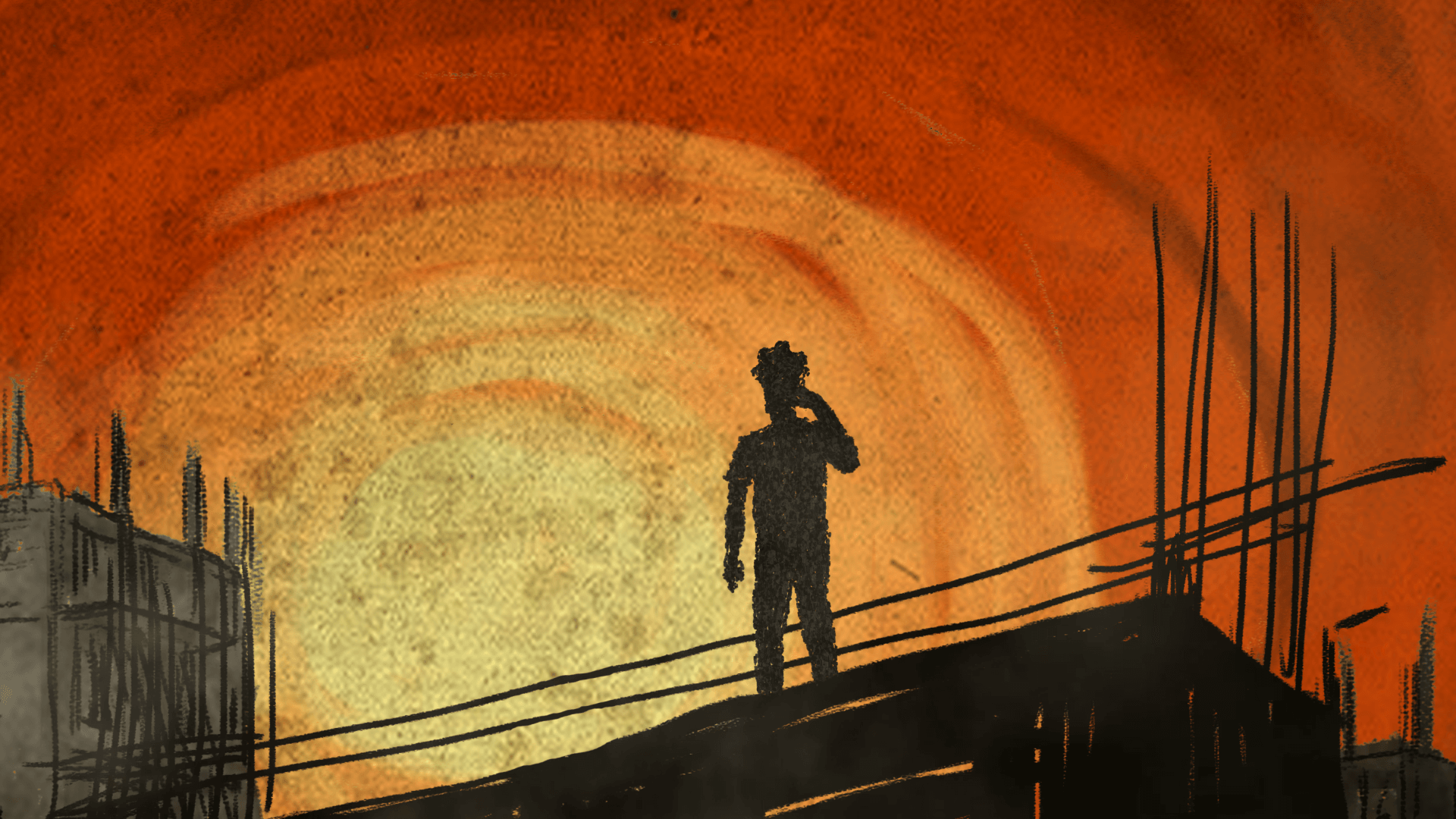
Ramesh is on a construction site, doing what he always does: showing up early, keeping his head down, and hoping he gets paid on time. But his wages are withheld. A debt starts to grow. Threats begin to creep in, not just for him, but for his family too. It is the kind of situation that can turn a job into a trap, and it often stays invisible because it happens in plain sight.

That is the human thread running through the animated short we created with the Global Fund for Ending Modern Slavery (GFEMS). GFEMS exists to end modern slavery by supporting grassroots organisations and survivor-led initiatives. As part of their work, they commissioned a study on India’s construction sector that surfaced something crucial: micro-contractors can play a real role in preventing exploitation and safeguarding vulnerable workers, especially when formal business practices and ethical norms are taken seriously. They wanted a film that could carry those findings beyond a report and into conversations that lead to change.

So we were brought in to translate the study into a short animated film that could work as an advocacy tool. The aim was clear: make the issue understandable, make the recommendations memorable, and do it without flattening the lived reality of workers into dry information.

Why we leaned on a character-led story

We could have made a purely informational explainer. But modern slavery, debt bondage, withheld wages, intimidation, these are not abstract concepts. They land on a person’s life, one decision at a time. That is why the film centres Ramesh. His story creates an emotional entry point, and it also gives the research somewhere to live.

Ramesh’s story creates an emotional entry point, and it also gives the research somewhere to live.

By following him through exploitation and then towards change, the film can show what GFEMS is actually advocating for: practical steps that micro-contractors can take to reduce harm, improve accountability, and protect workers. The research stays present, but it rides on a narrative people can follow.
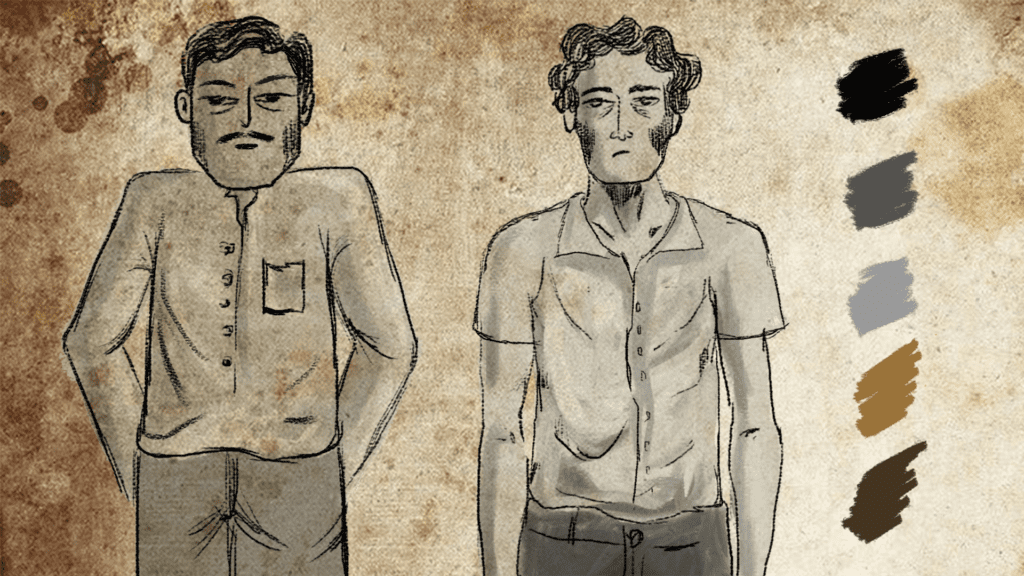
Character development of Guddu Mama and Ramesh.

Finding the right animation style

Early on, we spent time in discussion and brainstorming with the GFEMS group. A big part of that phase was exploring different visual directions. We tested various approaches to drawing and animation before landing on a multi-layered 2D method that felt distinctive. We wanted the film to hold attention, but not feel shiny or overproduced. It needed to feel purposeful and grounded.

This is also where colour came in. We chose the colour palette to match the study’s focus, so the visuals stayed with the story instead of pulling attention away. The colour decisions were about mood, clarity, and emphasis, not decoration.

Character design that carries meaning

In projects like this, character design is not a cosmetic step. It is where dignity and believability are either protected or lost. We developed the characters carefully, including Ramesh and Guddu Mama, working through iterations until their faces, posture, and styling felt right for the world they inhabit.

Suggest enough for the message to land, but never turn suffering into spectacle.

We paid attention to how the characters sit in a frame, how they react, and how much we show versus imply. Ramesh’s experience includes fear and pressure, but we did not want to dramatise it. The goal was to feel real, not performative. The same principle guided how we visualised exploitation. Suggest enough for the message to land, but never turn suffering into spectacle.
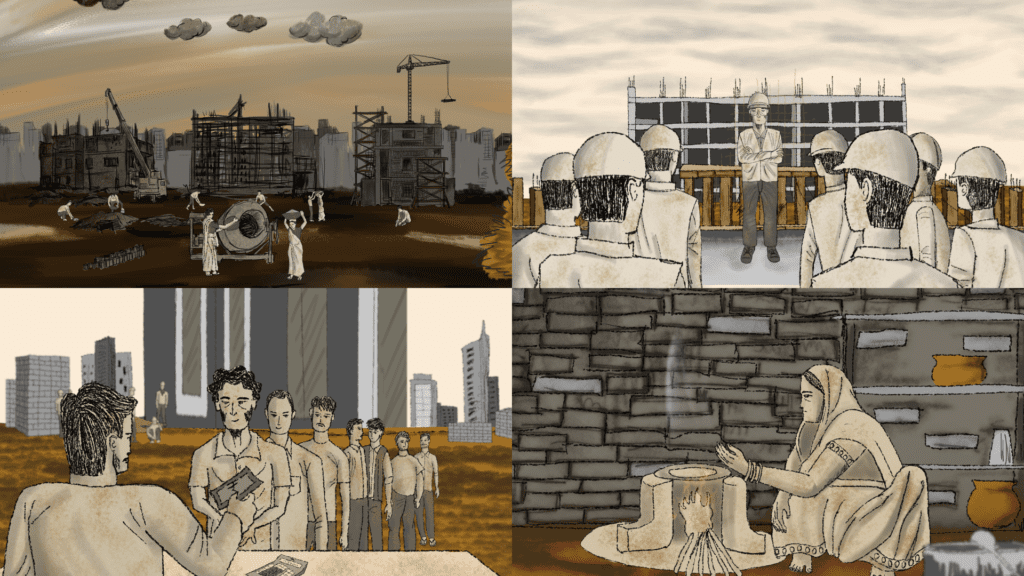
Stills from the video.

Getting the voice right

One of the most important decisions we made was around voice. Accent can instantly make a character feel authentic or artificial. Since the film needed to feel rooted, we brought in a regional theatre artist to give Ramesh an accent grounded in Bihar. That single choice added a layer of realism that visuals alone cannot deliver.

Voice also affects trust. If the voice sounds generic or overly polished, viewers switch off, especially when the subject is worker rights and justice. We wanted people to feel like they are hearing someone who could exist beyond the screen.

Sound and pacing with intent

Once animation and voice begin to come together, sound design becomes the glue. It shapes how the film feels in your body. We approached sound and music with care so that it supported the story rather than pushing emotion too hard.

Editing mattered here too. The film has to move, but it cannot rush. We wanted enough breathing room for the recommendations to register, and enough steadiness for the story to feel credible. Every cut was about keeping the viewer oriented: where we are, what is happening, and why it matters.

Turning research into an advocacy tool

By the end, the film does two jobs at once. It carries Ramesh’s story with empathy, and it amplifies the recommendations from GFEMS’s construction sector study in a way that is accessible to a wider audience. That balance was always the point. Advocacy content only works when people understand the issue, feel its weight, and can see what action looks like.

If your organisation has strong research, community insight, or lived experience that deserves more than a PDF, animation can help you carry it further. And if you want a film where every creative choice is tied back to dignity, accuracy, and impact, we would love to collaborate.


Client: Global Fund for Ending Modern Slavery
Discipline: Films and Photography 
Creative Director: Simit Bhagat
Animator and Editor: Rohan Krishnan
Illustrator: Sonali Gupta and Kumar Shradhesh Nayak
Script: Beth Garcia and Simit Bhagat
Hindi Translator: Bhumika Sharma and Vivek Singh
Creative Advisor: Joel Machado
Sound Design and Music: Raju Das
Voice Artist: Mohd Ikram

Rahul More

Video Editor

Rahul works on video editing and motion graphics across various formats. He previously worked in post-production at Sallys, with experience across commercials, web series, and digital content. He has over three years of experience in video editing and motion graphics. He enjoys reading, playing cricket, fish keeping and making short films. He holds a Bachelor’s degree in Mass Media (Journalism) and a Diploma in Filmmaking from Rachana Sansad Institute, Mumbai.

Abhinav S S

Illustrator

Abhinav works on in-house blog illustrations, storyboarding and various visual projects aligned with the studio’s creative direction. He is currently pursuing a Bachelor’s degree in Fashion Communication from National Institute of Fashion Technology (NIFT) Bhopal. He has played competitive cricket for the state of Kerala and has a strong interest in painting and graffiti.

Subscribe to our newsletter

Sign up for our newsletter and receive exclusive podcasts, blog updates.

Swanand Deo

Web Development Specialist

Swanand Deo is a WordPress and Web Development Specialist working on various digital projects. With over a decade of experience in the design and development space, he has collaborated with over 50 national and international clients. He specialises in User Experience (UX) design, WordPress development, and creating engaging digital experiences. He holds a Bachelor of Fine Arts from the University of Pune.

Aashna Chandra

Graphic Designer

Aashna works on publications, UI/UX and branding projects at SBS. She has previously worked with organisations across the social impact and development space. Her work focuses on layout design, visual identity systems and user interfaces across print and digital formats. She studied at the United Institute of Design, Gandhinagar, specialising in branding, typography, editorial design and packaging.

Vivek Warang

Digital Illustrator

Vivek works on translating ideas into visual narratives. His work ranges from creating storyboards and illustrations to ideation for special visual storytelling projects. He previously worked as an illustrator at OckyPocky. He enjoys telling stories through images and bringing concepts to life through his drawings. He holds a Bachelor’s degree in Applied Arts from D.Y. Patil College, Pune, with a specialisation in Illustration.

Rajshree Goswami

Content Writer

Rajshree began her professional journey in Kolkata and has over four years of experience as a creative writer and proofreader for academic papers. At SBS, she works across all content, including blogs, transcripts, quality checks and writing for annual reports. She is an avid reader and enjoys cinema, fiction and creative writing. She holds a Bachelor’s degree in English Honours from West Bengal State University.

Bhavesh Dhote

Founder’s Office

Bhavesh is part of the Founder’s Office, working across in-house operations, social media strategy, strategic initiatives, market research and film production. He holds a Bachelor’s degree in Electronics and Telecommunications Engineering with a Diploma in AI and Machine Learning from D.J. Sanghvi College of Engineering, Mumbai. He is also a professional badminton player, marathon runner, trekker and plays euphonium and trumpet.

Manish Mandavkar

Motion Editor

Manish Mandavkar has studied animation at Arena Animation in Mumbai. He has previously worked on animated videos and motion graphics for brands, including Unilever and Zee Movies. An avid gamer, he is also passionate about sketching and photography. He holds a degree in Commerce from the University of Mumbai.

Joel Machado

Film Editor

Mumbai-based creative consultant and film editor Joel Machado has worked on documentaries as well as films in the mainstream Bollywood sector. He was also the Chief Assistant Director on the Jackie Shroff short, “The Playboy, Mr. Sawhney.” In addition to earning a B.Com from Mumbai University, he attended the city’s Digital Academy to hone his script writing skills.

Rohit Sreekumar

Founder’s Office

Rohit is responsible for developing strategic alliances and collaborative initiatives in the social sector. He also works on project management and helps internal teams stay on track. He has previously worked at early-stage startups across product and growth roles. In his free time, he enjoys binge-watching series, gaming and reading. He holds a Master’s degree in Computer Applications from Amrita Vishwa Vidyapeetham, Karnataka.

Aliefya Vahanvaty

Sr. Creative Partner

Senior Creative Partner, Aliefya Vahanvaty has worked in a wide range of editorial roles over the course of her career, gaining experience as a correspondent, copy editor, writer, photographer, and assistant editor at publications like the Times of India, Forbes India, Open Magazine, Impact Magazine, and others. In addition to her MA in Sociology from Mumbai University, she also has an MA in Photojournalism from the University of Westminster in the United Kingdom.

Simit Bhagat

Founder

Founder, Simit Bhagat has worked in the fields of filmmaking, project management, and journalism for over 15 years. He has served in a variety of positions for organisations like the Times of India, the Maharashtra Forest Department, the Tata Trusts, and the Thomson Reuters Foundation. From the University of Sussex in the United Kingdom, he earned a Master of Arts in Science, Society, and Development.