It started with a silence. Not the quiet kind you hear in forests or libraries, but the kind that lingers – thick, invisible, and unsettling. In Colombo, the sky wore a permanent grey. The air, though unseen, left its mark – in the coughing of children, the weariness of rickshaw drivers, the heaviness in the lungs of older people.
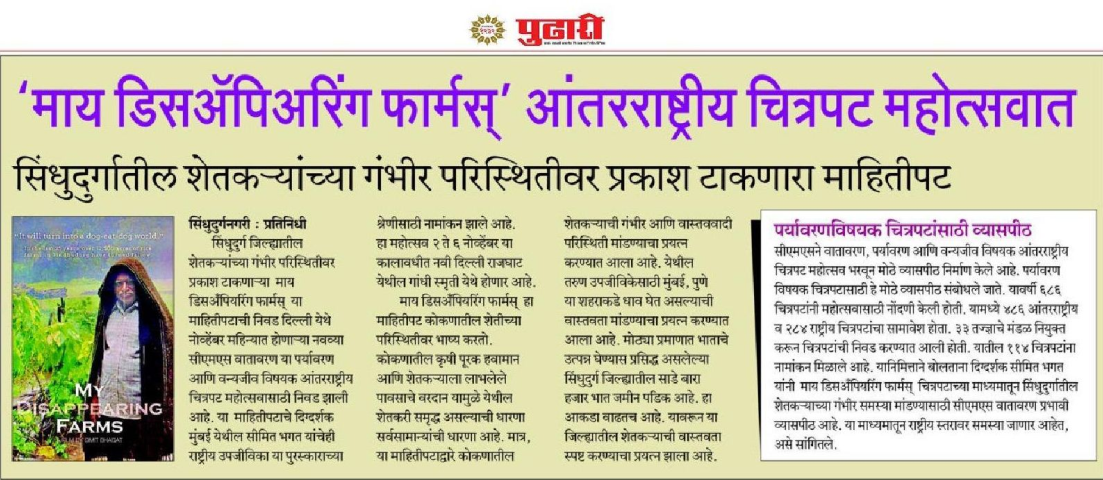
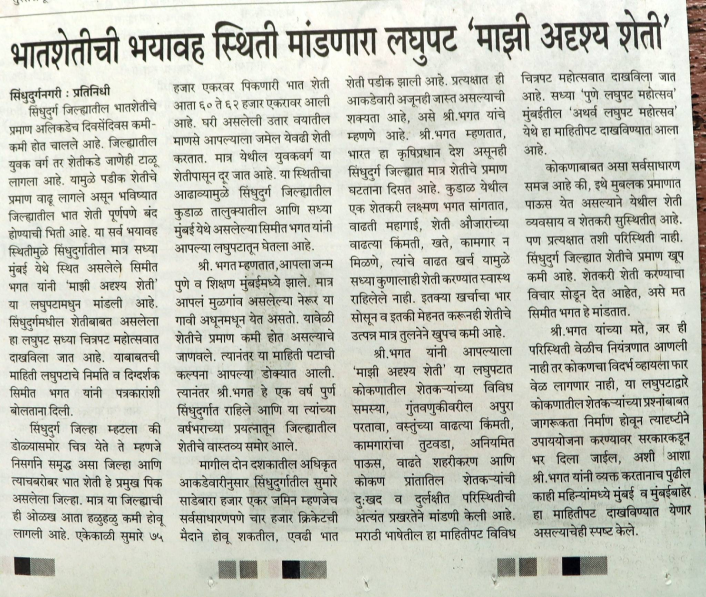
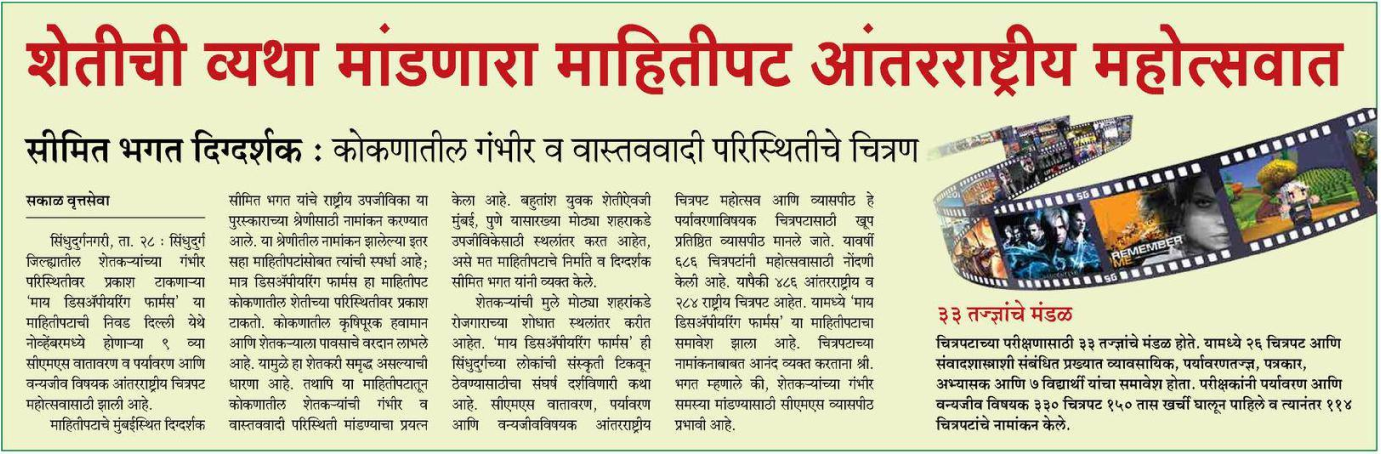
At Simit Bhagat Studios, we were asked to capture this silence. Together with the French Development Agency, we turned it into a visual story titled “Breath of Fresh Air.” Through illustration, we traced the journey from smog to clarity, from problem to possibility. Frame by frame, what was once intangible became visible, and in doing so, became solvable.
But why illustrated stories? Because almost 50% of our brain processes visuals, and 70% of our sensory receptors live in our eyes. Illustrations speak to something primal in us. They’re not just decoration. They’re persuasion.
And this is only one story. Around the world, nonprofits and social impact organisations are using illustrated storytelling to shift perception, deepen empathy, and move people to act. So, how can your organisation begin?
1. Start with the Stories You Already Hold
Every organisation sits on a goldmine of stories – often unnoticed, often unrecorded. These are the voices of the communities you work with, the questions they’ve asked, the changes they’ve sparked. You don’t need a big camera crew. Just a pencil, a page, and someone willing to listen.
This is where World Comics India leads the way. Founded by Sharad Sharma in the 1990s, the initiative has trained over 50,000 people across 10+ countries, many in remote villages, conflict zones, and refugee camps, to draw comics about their own lives. No art degree required. Just lived the truth.
You don’t need a big camera crew. Just a pencil, a page, and someone willing to listen.
Their impact isn’t hypothetical. A comic drawn by a schoolgirl in Bihar stopped a child marriage. In Uttar Pradesh, 300 comics on sanitation prompted leaders to install handpumps and clean up schools. Campaigns like Cyber Salamat and Rendered Stateless Not Voiceless have reached global audiences and spurred discussion.
Sharma himself was honoured with the Ashoka Fellowship and CNN-IBN Real Heroes Award. Not for polished animations or viral videos. But for empowering people to draw what they live.
2. Reimagine Heroes Through Illustrated Storytelling
Not all heroes wear capes. And sometimes, the most impactful stories aren’t the loudest. They’re the ones served with hot fo
Not all heroes wear capes. And sometimes, the most impactful stories aren’t the loudest. They’re the ones served with hot food, shared under stormy skies, or delivered quietly on a doorstep.
That’s the spirit behind Feeding Dangerously – a graphic novel co-created by celebrated chef José Andrés and comic writer Steve Orlando, and brought to life by illustrator Alberto Ponticelli. The book tells the story of World Central Kitchen, a nonprofit that has served over 300 million meals in disaster-hit regions.
Sometimes the most impactful stories aren’t the loudest.
But the brilliance of the book lies not in statistics. It lies in how it shows people showing up. In Puerto Rico, after Hurricane Maria, in Ukraine, amid conflict, and in the ashes of California’s wildfires. The novel paints resilience in full colour.
The impact? A 4.3/5 rating on Amazon. A 4.1/5 on Goodreads. Every purchase donates $5 to WCK. TKO Studios even added an upfront $100,000 donation. This is storytelling that doesn’t just move hearts. It moves funding.
3. Tackle Taboos with Contextually Relevant Comics
There are topics that make people uncomfortable. Menstruation, puberty, gender, etc. But discomfort shouldn’t mean silence. It should mean better tools for conversation. That’s where comics come in.
Take Menstrupedia. Co-founded by Aditi Gupta and Tuhin Paul, this social enterprise uses illustrated comics to teach kids about growing up. Their Menstrupedia Comic has reached over 35,000 schools and is available in 17 languages across 20 countries. The stories are culturally sensitive, medically accurate, and narrated through relatable characters.
Discomfort shouldn’t mean silence. That’s where comics come in.
In 2023, they made history when they secured a deal with Namita Thapar, on Shark Tank India, who invested in the company. Since then, their materials have been used by RoundGlass Foundation, UNICEF, and several state governments. One partner even said, “We can’t conduct workshops without them.”
Menstrupedia didn’t just make periods easier to talk about. They made it easier to act on, at scale.
4. Create Safe Spaces for Healing Through Co-Created Storytelling
Some stories don’t need fixing. They need witnessing. And when communities co-create those stories, what you get isn’t just communication, it’s healing.
That’s what Re-Live’s Coming Home comic series is doing in the UK. Developed with veterans from the British Armed Forces, these anthologies tackle trauma, identity, and resilience. Each story is drawn from the life of a veteran and shaped in collaboration with a professional illustrator.
When communities co-create those stories, what you get isn’t just communication, it’s healing.
Issue 1 shared stories from Northern Ireland. Issue 2, released on the 25th anniversary of the UK’s ‘gay ban’ repeal, focused on LGBTQ+ veterans. Their experiences were raw, painful, and beautifully rendered by illustrators like Ed Firth and Ria Grix.
The series has been featured on BBC Radio 4’s Front Row, ITV News, The Big Issue, and Attitude Magazine. It premiered at Thought Bubble, the UK’s biggest comic con, and sparked emotional conversations at London’s Cartoon Museum.
For veterans like Steve Purves, whose story of imprisonment for a consensual relationship now lives in print, the comic is more than art; it’s a voice. “Read this,” he says. “Then you’ll know who I am.”
5. Build an Ecosystem Where Stories Teach, Heal, and Uplift
What happens when you put stories at the heart of education? If you ask Katha, the answer is this: you build not just readers, but thinkers. Not just classrooms, but communities.
Founded in 1988 by Padma Shri awardee Geeta Dharmarajan, Katha is built on the idea that children learn best through story. Its StoryPedagogy™, rooted in India’s oral traditions and the Natya Shastra, turns maths and science into lessons children can picture and enjoy.
When stories sit at the heart of learning, they grow readers and also thinking minds.
And the impact? 1.23 crore children reached. Over 41,000 teachers trained. 95,000 women empowered. 50,000+ livelihoods created. Their initiatives, like I Love Reading and the 300 Million Challenge, are helping transform government schools into story-rich environments.
Their books aren’t just textbooks. Titles like Dear Earth and The Tale of Makkhilal are used in community radio, digital kits, and mobile reading hubs. Even UNESCO, the Times of India, and Encyclopaedia Britannica have taken note. Katha proves that stories don’t just entertain; they also equip.
Final Thoughts
In a world filled with noise, illustrated stories offer something else entirely: clarity. They don’t lecture, they listen. They don’t just explain, they connect.
From a girl in Bihar stopping a marriage to a veteran in Wales finding peace through pictures to a paella pan becoming a symbol of disaster relief, these stories show that change doesn’t have to start with power. It can start with paper. So if you’re looking for ways to make your nonprofit’s work resonate, maybe it’s time to pick up a pencil.
Want more stories like these? Tips on storytelling, visual formats, and nonprofit communication trends? Subscribe to our newsletter and get the inside scoop on how illustrated narratives are reshaping the way we listen, care, and act.