A few years ago, on a completely random rainy afternoon, I opened a dusty old travel magazine hidden somewhere in my closet. As I leisurely turned its pages, a sudden feeling of astonishment passed over me. I was looking at a picture of a man with a weathered face sitting under a tree, surrounded by children. His expression was full of stories, and even though I didn’t know him, the image spoke to me about storytelling through photography.
At that point, everything came together for me. I understood what a picture is really capable of. I recognised how it can bridge distances and evoke emotions in ways that are not possible with words. It was the first time I experienced the power of images.
That experience taught me that powerful storytelling through photography doesn’t happen by chance. It starts with intention and thoughtful planning. If you’re planning your next shoot, here are some tips you may find useful:
1. Plan Your Story Before You Shoot
Every meaningful photograph starts long before the shutter clicks. You need to know what you want the viewer to feel. You need to understand what you’re trying to say. A camera can do many things, but it can’t decide the story for you.
Planning isn’t only about choosing a subject. It’s about knowing the world around it. When I take the time to learn the background of a community, a festival, or even a landscape, the photographs always carry more depth. They feel grounded. They feel honest.
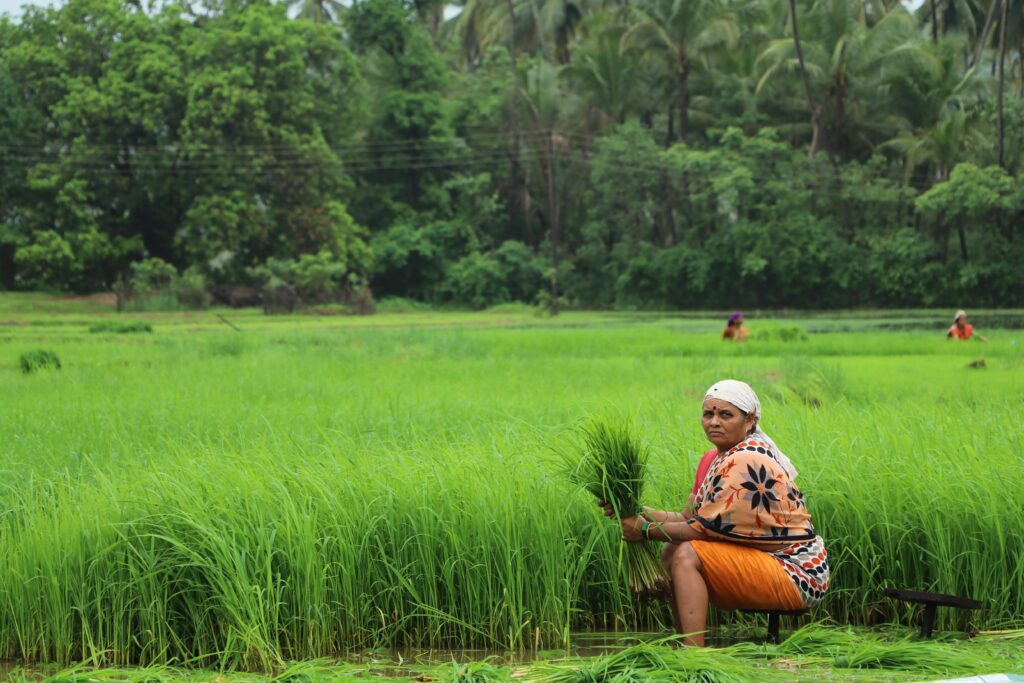
I still think about the day we shot at Aarey Milk Colony. The location was beautiful, almost unreal, but the weather made everything unpredictable. One moment the light looked perfect. The next moment, the clouds swallowed it. Rain kept finding its way onto our lenses, and the shots we thought we had would shift before we could lock them in. Yet, in the middle of all that, the place held its own charm. Nature reminded us that no matter how much we prepare, the final picture always has a mind of its own.
2. Decide Between Single Images or Series
Some stories arrive fully formed in one frame. Others need more room to breathe. It takes time to figure out which one you are dealing with.
A single photograph can carry an entire world inside it. There are iconic images that stay with us for years, not because they are perfect but because they speak without trying too hard. On the other hand, some stories take shape slowly. They open up across multiple images, each adding something the previous one couldn’t.
When I put together a series, I think of it the way I think of a small journey. The first image should invite the viewer in. The last one should linger in their mind.
I remember photographing fishermen at sunset. The sky was golden, the water looked like it was holding light, and their silhouettes kept shifting with each wave. I ran back and forth on the wet sand, trying to find the moment where everything balanced for just a second. When it happened, it felt like the sea had held its breath. That shot became the closing frame of the series, and even now, when I look at it, I can feel the wind from that evening.
Choosing between a single image or a sequence shapes how the viewer travels through the story, and that choice has always mattered to me.

3. Focus on Emotion
What stays with people is not the technical quality of a photograph. It is the emotion inside it. It is the honesty.
And emotion isn’t limited to faces. Sometimes a landscape holds more feeling than a portrait. Sometimes a shadow carries more meaning than a smile. In a busy world, people rarely get a chance to slow down and notice the quiet beauty around them. Photography can give them that moment of pause.
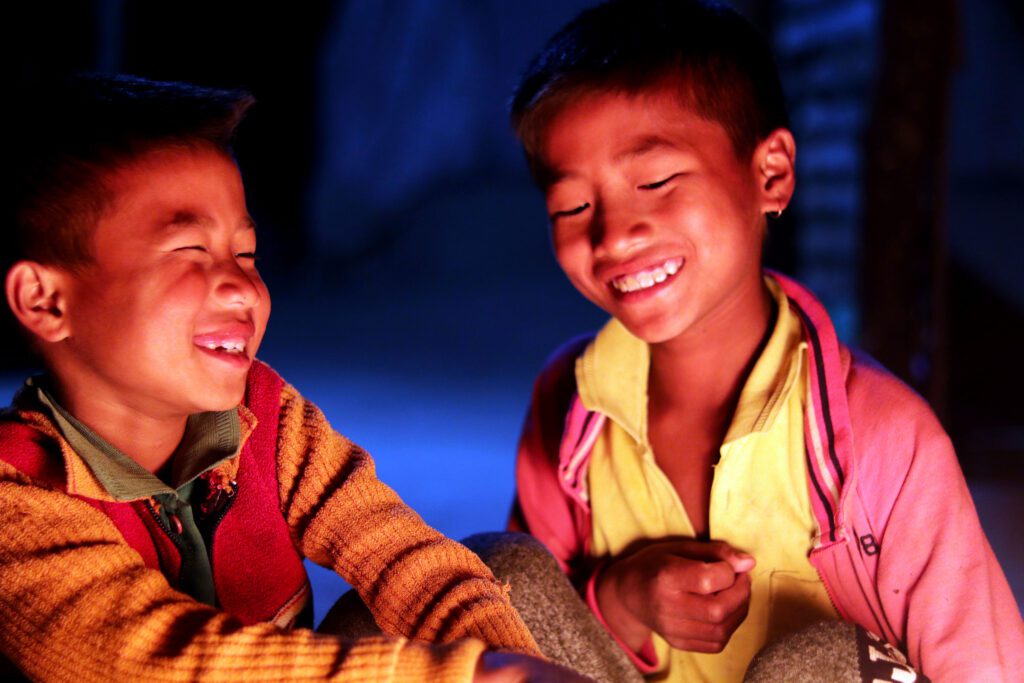
One night in Manipur, I was trying to photograph two boys who were having the time of their lives. They kept running in circles, laughing at things only they understood. They jumped into the frame and out of it without warning. The light was dim, and my camera wasn’t happy with the conditions. For a while, I thought the shot wouldn’t happen. Then, all of a sudden, they stopped under a streetlight for just a heartbeat. Their faces glowed with mischief. I clicked without thinking too much. The final image wasn’t perfect, but it felt real and felt alive. And that was enough.
4. Use Different Photography Styles
If every photograph from a project looks the same, the story starts to feel flat. Variety keeps the viewer curious.
I try not to repeat the same frame again and again. Wide shots make space for the world. Medium shots help highlight what matters. Close portraits bring the viewer face-to-face with someone’s truth. And the small details fill the story with texture.
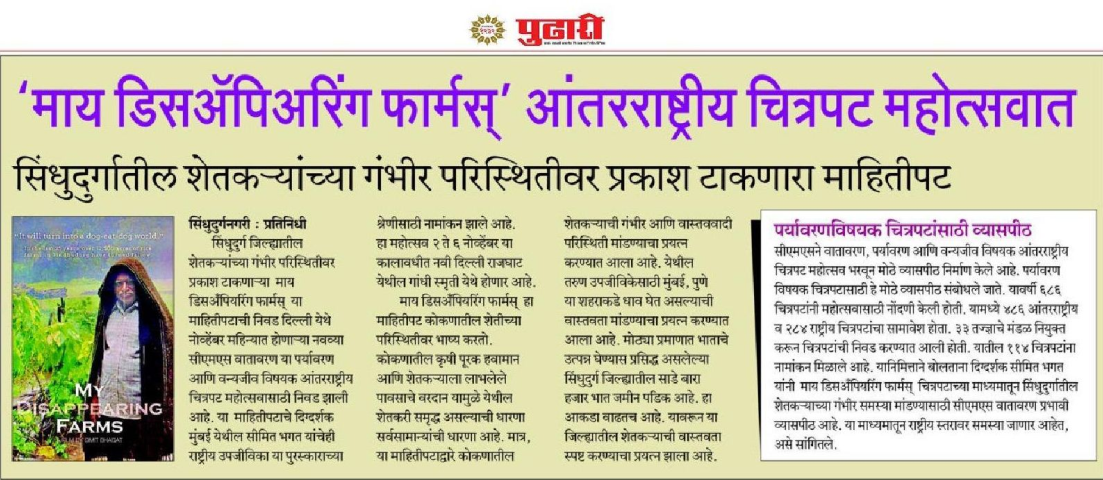
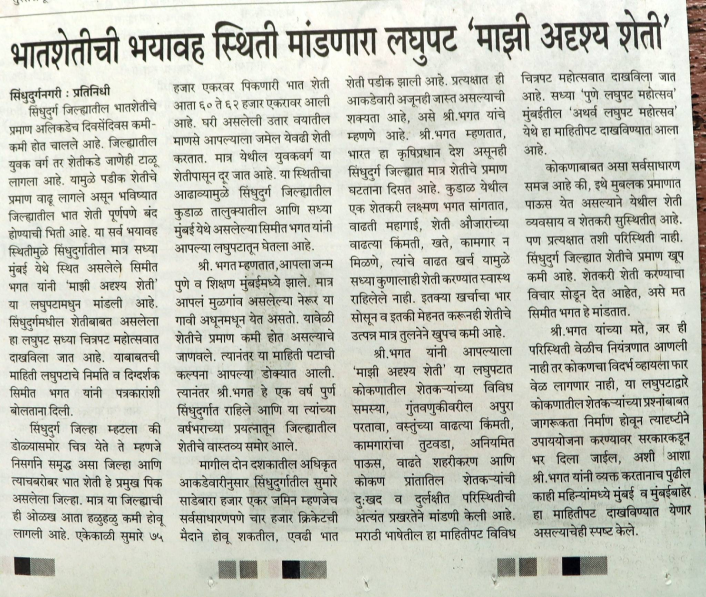
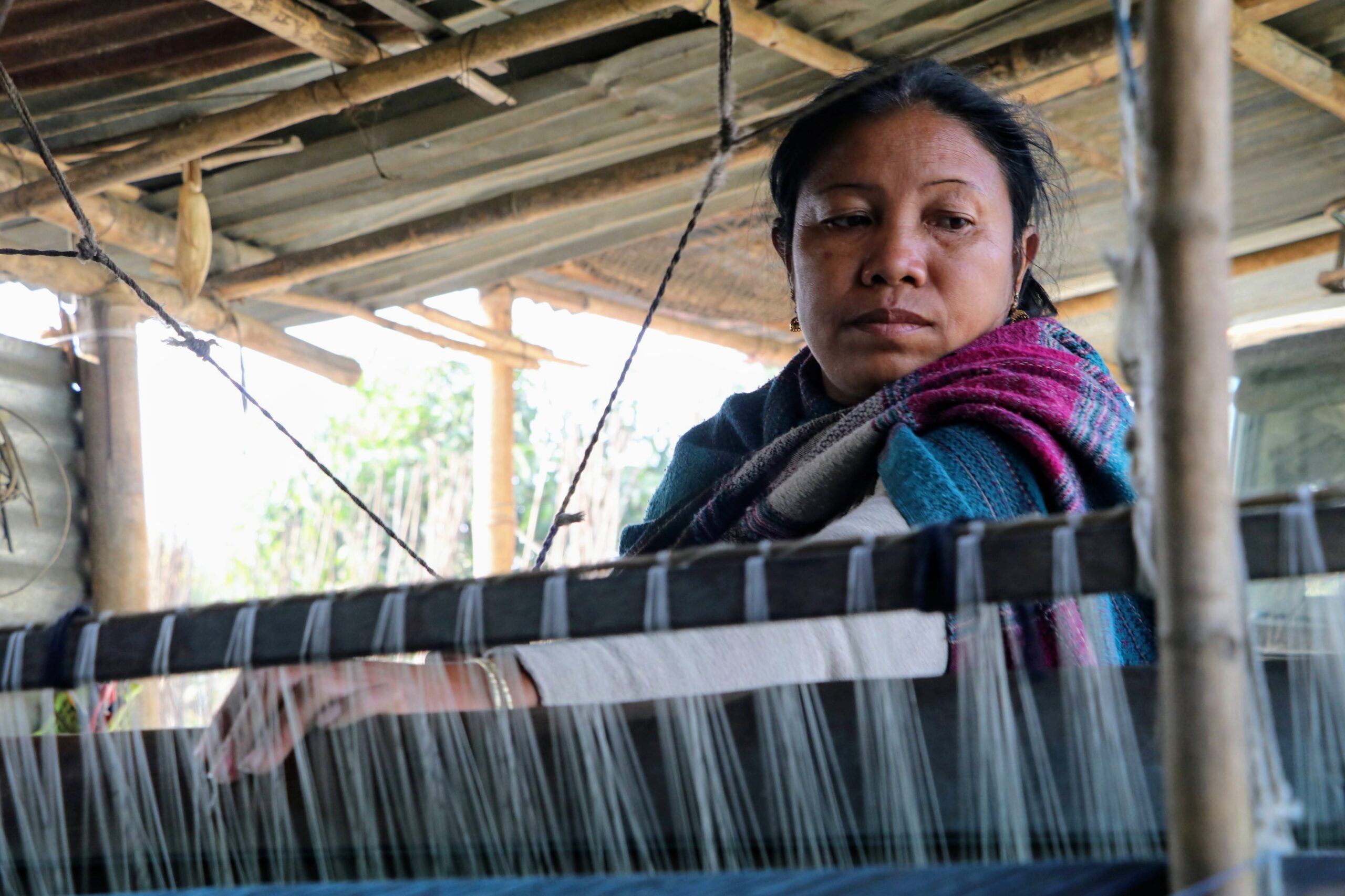
While documenting the tribal lifestyle in Gadchiroli, I learned that the story lived not only in the people but in everything around them. I photographed their expressions, of course, but I also paid attention to the tiny clay idols sitting quietly on wooden shelves, the patterns on their handmade fabrics, and the worn-out windows that opened into courtyards filled with sunlight. One afternoon, I watched a crowded cockfight full of shouts and energy. Later that day, I found myself in a silent temple washed in the soft glow of dusk. Those contrasts made the story whole.
5. Be Original
With so many images filling the world every minute, originality can feel impossible. But it’s not about being different for the sake of it. It’s about letting your own way of seeing guide you.
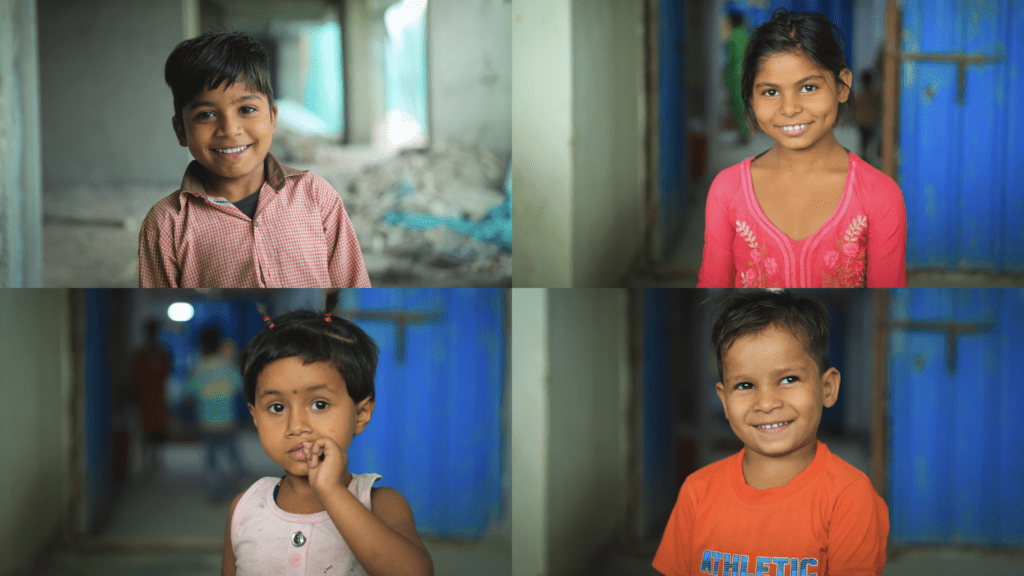
When I was photographing in the slums of Delhi, I realised that people stiffen the moment you raise a camera too quickly. So I kept it down for a while. I asked small questions. I listened. Nothing complicated, just enough to help them feel comfortable. Slowly, their expressions softened, and their smiles became genuine. The camera wasn’t a barrier anymore. It became part of the conversation.
The equipment or the way the photos were taken didn’t make them unique. It was the connection at that time. The ability to look at people and see them as more than just subjects.
Why Storytelling through Photography Matters
I thought that one picture from the old magazine would stay with me for a long time. The man under the tree had a lot of stories in his face, and the kids were all around him. That single frame changed the way I understood storytelling through photography. It made me realise how much power an image holds when it comes from the right place.
Every photograph has a voice. A short scene on a street, a quiet portrait, and a long series that builds over days. They all have stories that last longer than the time they were taken.
So pick up your camera. Step into the world. Tell the stories only you can see. Just as that photograph once touched me, something you create might stay with someone long after they’ve forgotten where they saw it.